

Belt Straps Versus Complete Belts: Which to Choose
A belt can define the line of a tailored trouser, bring texture to simple denim, or give a dress a more deliberate finish. Yet the decision between belt straps versus complete belts is not simply one of how an accessory arrives. It is a choice between immediate ease and a more personal, adaptable way of building a collection.
For a wardrobe shaped around enduring materials and considered detail, both have a place. A complete belt offers a resolved design from the outset. A standalone strap gives you the freedom to pair fine leather with the buckle, finish and proportion that feel most like your own.
Belt Straps Versus Complete Belts: The Essential Difference
A complete belt comprises a leather strap and buckle selected to work together as one finished piece. The leather width, buckle scale, colour and metal finish have already been balanced by the designer. It is ready to wear, requiring no further decisions beyond selecting the correct size and style.
A belt strap is the leather component without a buckle. Within an interchangeable belt system, it is designed to be fitted with compatible detachable hardware. This makes it possible to retain a favourite solid brass buckle while changing from rich Italian Nubuck to full-grain leather, suede or hair-on cowhide.
Neither is inherently the better choice. The right option depends on whether you want a complete, assured look for a particular occasion or the flexibility to evolve one belt across many looks.
Why Choose a Complete Belt?
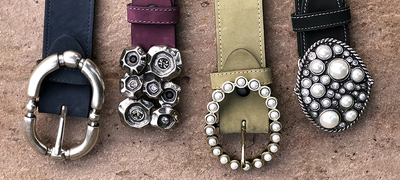
A complete belt is the natural choice when you want a fully considered accessory with no uncertainty around proportion. The buckle has been chosen for the width and character of the leather, whether that means an elegant silver-plated finish on a narrow dress belt or aged metal against a substantial vintage calf strap.
This is particularly valuable when the belt itself is a focal point. A crystal buckle worn with a black evening dress, an equestrian-inspired buckle with riding boots, or a wide waist belt over tailoring needs a clear design point of view. The finished belt offers exactly that: one harmonious piece, with the leather, hardware and silhouette already in conversation.
It also makes an excellent first purchase. If you are introducing a high-quality leather belt to your wardrobe, a complete style establishes a dependable foundation. Choose a versatile shade such as black, deep brown, tan or navy in a width that suits the trousers, skirts or dresses you wear most often. A classic buckle in solid brass or a refined silver-tone finish will serve beautifully across years rather than seasons.
There is an emotional advantage, too. A finished belt has the satisfaction of a complete object. It can be selected for its distinctive character and worn immediately, whether for the office, a dinner reservation or a weekend away.
When a complete belt makes most sense
Choose a complete belt if you are buying for a specific outfit or event, giving a gift, or looking for an assured everyday piece without needing to consider buckle compatibility. It is also the preferable route when a particular buckle and leather combination is precisely what you want. Some pairings are complete by design and should remain so.
Why Choose a Belt Strap?
A standalone strap is for the wearer who sees accessories as a wardrobe language rather than a series of isolated purchases. With detachable buckles, a single buckle can take on a different character with each leather change. A polished buckle may look restrained on black full-grain leather for work, then more relaxed on tobacco suede at the weekend.
This is not simply about having more options. It is about choosing each element with greater precision. Leather has a presence of its own. Italian Nubuck offers a soft, velvety depth of colour; vintage calf carries a richer, more lived-in character; hair-on cowhide brings texture and contrast. By changing the strap, you can adjust the mood of an outfit without replacing the hardware you already value.
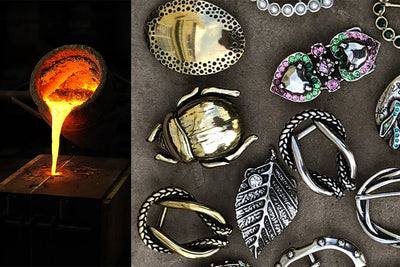
A strap can also be a sensible way to extend the life and usefulness of a cherished buckle. Buckles are often the defining detail of a belt, particularly when they are crafted in solid brass, finished in aged metal or embellished with crystal. Keeping a treasured buckle in rotation while introducing a new leather strap is a more considered approach to luxury than buying an entirely new accessory every time your wardrobe shifts.
For those who travel frequently, interchangeable components can make packing easier. Two carefully selected straps and one compatible buckle can provide a formal and casual option without adding several complete belts to a case. The result remains polished, while the selection stays compact.
The craftsmanship case for additional straps
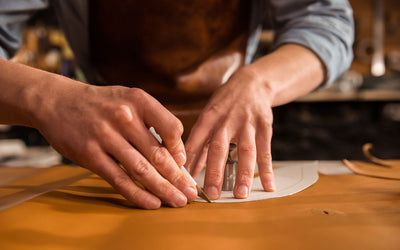
A beautifully made belt strap should never feel like a secondary purchase. Its cut, edge finish, lining and leather quality determine how the belt wears and ages. Fine leather develops character through use, particularly when properly cared for, and a handmade strap offers a level of substance that is difficult to replicate in mass-produced accessories.
At Clara Perri, straps are made in England by skilled artisans using leathers selected for their texture, colour and lasting quality. This allows the strap to stand on its own as a considered piece, whether it is paired with an existing buckle or chosen as part of a more individual design.
Compatibility Matters More Than Appearance Alone
Before purchasing a belt strap, confirm that it is compatible with your buckle. The most immediate consideration is width. A buckle made for a slim strap will not sit correctly on a wider leather, while a narrow strap can look insubstantial in an oversized buckle intended for a broad waist belt.
The attachment method matters just as much. Interchangeable buckles may use a specific clasp, hook or fastening construction, and not all detachable buckles are universal. A buckle and strap must be designed to work together securely, without pulling, twisting or placing undue strain on the leather.
Proportion deserves equal attention. A compact buckle may suit a narrow belt worn through trouser loops, whereas a broader, more decorative buckle can be ideal over knitwear or at the waist of a dress. Consider the scale of your clothing, not only the size of the buckle in isolation.
If you are uncertain, begin with a complete belt from the same interchangeable system and add straps later. This establishes a compatible buckle and a reference point for the widths and finishes that suit your style.
Build Your Collection Around How You Dress
The most useful belt wardrobe is not necessarily the largest. It is a small group of pieces that answer the ways you actually dress. A classic black full-grain leather belt with a refined buckle may be the daily foundation for tailoring and denim. From there, a cognac or dark brown strap can soften autumnal looks, while suede adds texture to relaxed wool trousers and knitwear.
For women, a narrow strap can bring definition to dresses and high-waisted skirts, while a wider leather makes a stronger statement over blazers or flowing silhouettes. Drop-waist styles require a different proportion again, often sitting lower and feeling more relaxed than a traditional waist belt.
For men, the distinction may be between a neat, polished belt for formal trousers and a more substantial leather strap for jeans, chinos or country dressing. The buckle should follow the same principle: discreet where the outfit is formal, more expressive where texture and heritage detail are welcome.
Colour and hardware need not match every other accessory exactly. In fact, a slightly aged brass buckle with dark brown leather can look more considered than a perfectly identical metal finish. Aim for coherence rather than uniformity. The leather, shoes, watch strap and bag should feel as though they belong in the same wardrobe, even if they are not replicas of one another.
The Cost-Per-Wear Question
A complete belt may represent greater initial outlay because it includes both leather and hardware. A strap can be a more focused investment once you own a compatible buckle, allowing you to refresh colour, texture or width without duplicating the most enduring component.
That said, value should not be reduced to arithmetic. A single complete belt that is worn twice a week for years may offer better value than several straps that remain unworn because they do not suit your lifestyle. The strongest choice is the one you will reach for often, maintain well and continue to enjoy as the leather develops its own patina.
Care supports that longevity. Store belts away from direct sunlight and excessive heat, avoid sharply folding the leather, and treat Nubuck, suede and smooth leather according to their individual finishes. Rotate frequently worn pieces where possible, especially lighter-coloured leathers, so each strap keeps its shape and beauty.
A complete belt gives you a finished signature from the first wear. A belt strap gives you the pleasure of composing that signature over time. Start with the leather and buckle combination you cannot stop thinking about, then let the next piece earn its place through the way you live and dress.
Leave a comment