

8 Bespoke Belt Examples for a Considered Wardrobe
A belt is often the final piece added to an outfit, yet it has an unusual ability to determine the whole impression. The right width can lengthen the line of a coat; the right buckle can make a simple trouser and silk shirt feel intentional. These bespoke belt examples show how leather, hardware and proportion can be chosen for the life a belt will lead, rather than for a passing season.
Bespoke need not mean ornate. A highly personal belt may be a restrained full-grain strap in a precise neutral, fitted with a buckle chosen for its weight and finish. It may also be a crystal piece reserved for evenings, or a richly textured hair-on cowhide belt that becomes the focus of a pared-back look. The distinction lies in the considered combination.
Bespoke belt examples for every kind of dressing
1. The quiet everyday leather belt
For a wardrobe built around tailoring, denim and fine knitwear, begin with a narrow to medium-width belt in full-grain leather. Deep espresso, black and warm cognac are enduring choices, but a softened taupe or dark olive can be equally versatile when most of your shoes and bags sit outside the usual black-and-tan palette.
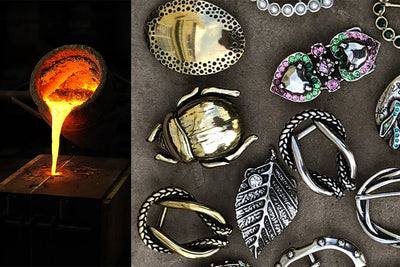
Pair it with a solid brass buckle in a polished, brushed or aged finish according to your jewellery and watch. Polished brass has a formal clarity, while an aged-metal finish brings a more relaxed character to weekend denim and suede. This is the example to choose when the belt must work hard without attracting attention to itself.
The trade-off is simplicity. A restrained belt will not transform an outfit in the way a decorated buckle can, but it earns its place through repetition. A detachable buckle gives the strap greater range, allowing a change from classic brass to silver plate without replacing the leather.
2. The tailored trouser belt
A belt for high-waisted trousers needs more precision than its modest profile suggests. Too wide, and it can crowd the waistband; too narrow, and it can look insubstantial against a structured jacket. A refined strap, selected to sit neatly within the trouser loops, offers the most polished result.
Italian nubuck is particularly effective here. Its velvety surface softens the formality of wool trousers, while its depth of colour gives a navy, charcoal or cream suit a more individual finish. Choose a clean rectangular or gently curved buckle with minimal decoration. Silver plating suits cooler tailoring tones, while solid brass lends warmth to tobacco, camel and ivory cloth.
This is also a strong choice for those who prefer a belt to feel like a piece of jewellery rather than a utility. The buckle should be beautifully made, but not so large that it competes with the cut of the trouser or the line of the jacket.
3. The wide waist belt over knitwear and dresses
A wide belt is designed to be seen. It gives definition to fluid dresses, cashmere knits and softly tailored coats, creating shape without the rigidity of a fitted garment. For this style, leather choice matters as much as width. Supple vintage calf has a pleasing depth and a lived-in finish, while smooth full-grain leather brings a sharper, more contemporary edge.
A broader buckle can hold its own here, particularly one with an equestrian-inspired form or an architectural outline. When the dress is patterned or the knit has texture, a simple buckle is usually the wiser choice. With a plain black dress or a cream roll-neck, however, a more decorative finish can supply the point of interest.
Fit is essential. A waist belt should feel secure while still allowing you to sit comfortably and move naturally. Bespoke sizing avoids the awkward excess length and off-centre buckle placement that can make an otherwise beautiful belt feel less composed.
4. The drop-waist belt for softer silhouettes
A drop-waist belt has a different task: it frames the hip rather than cinching the waist. It suits long shirts, relaxed dresses and low-slung tailoring, bringing definition to an easy silhouette without making it feel overly controlled. This is a particularly elegant option for holiday dressing, when linen, silk and lightweight cotton benefit from a little structure.
A slim suede or nubuck strap works well because it remains visually light. Consider stone, tobacco, rich navy or faded black, finished with a smaller buckle in aged brass. The overall effect should be effortless, so avoid a buckle that is too bright or oversized unless the outfit itself is intentionally dramatic.
Because it sits lower on the body, a drop-waist belt often requires a different measurement from a conventional trouser belt. It depends on how you plan to wear it: over a dress, low on the hips, or through belt loops. A bespoke approach makes that distinction part of the design rather than an afterthought.
5. The equestrian-inspired belt
Equestrian references have lasting appeal because they combine purpose with polish. Think rich leather, curved hardware and a confident, uncomplicated silhouette. A chestnut or dark brown full-grain strap with a substantial solid brass buckle feels at home with denim, a white shirt and boots, but it can also give a crisp blazer a more relaxed authority.
The strength of this example is its balance. The buckle may be sculptural, but it should retain the assured quality of traditional tack hardware rather than become theatrical. Leather with a natural grain and hand-finished edges deepens that impression, ageing gracefully with wear.
This style is especially useful when building a compact wardrobe. It has enough presence for weekend dressing, yet remains grounded enough to wear with tailored separates. Interchangeable buckles allow the same strap to move from country-inspired brass to a cleaner silver finish for the city.
6. The textured hair-on cowhide belt
Texture changes the role of a belt immediately. Hair-on cowhide introduces pattern, tactility and contrast, making it an excellent choice for outfits that rely on simple shapes and restrained colours. A black-and-white, animal-inspired or deeply tonal finish can add interest to black denim, a plain dress or a monochrome trouser suit.
The key is to let one element lead. If the strap is textured, select a buckle with a quieter profile, perhaps in aged metal or smooth silver plating. If the buckle is highly decorative, a plainer leather strap will usually give a more harmonious result. Bespoke design is not about adding every available detail; it is about deciding which detail deserves attention.
Hair-on cowhide is best treated as a statement accessory rather than an all-purpose belt. It is ideal for dinners, weekends and occasions when you want an otherwise understated look to feel more distinctive.
7. The crystal buckle evening belt
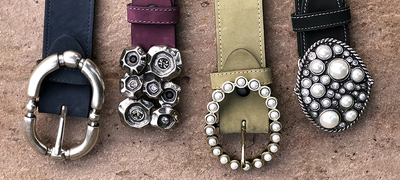
A crystal buckle can bring couture-level light to an evening look without requiring a heavily embellished dress. Set against black suede, dark satin-finish leather or a narrow metallic-toned strap, it becomes a precise point of brilliance at the waist. It is particularly striking with a column dress, wide-leg evening trousers or a tuxedo-style suit.
Proportion determines whether the effect feels elegant. A narrow strap and a well-scaled crystal buckle are often more effective than a very wide belt covered in decoration. Let the buckle catch the light, then keep the rest of the outfit clean.
This is where a modular belt system is especially useful. One carefully chosen crystal buckle can be fitted to different leather straps, shifting from black for formal evenings to deep jewel tones for winter events. The buckle becomes a lasting piece of the collection rather than an accessory worn once.
8. The contemporary colour-led belt
Bespoke does not have to remain within traditional neutrals. A belt in cobalt, oxblood, forest green or vibrant red can be the element that gives a familiar wardrobe new energy. Worn with navy tailoring, cream denim or a monochrome dress, colour feels intentional rather than excessive when the leather and construction are of exceptional quality.
Choose the hardware to support the shade. Silver plating brings clarity to cool blues and greens; brass intensifies warmer reds, burgundy and tobacco. For the most flexible result, select a classic buckle shape and let the colour provide the distinction. A vivid strap with a theatrical buckle can be beautiful, but it will naturally have fewer occasions.
At Clara Perri, belts are handmade in England with this sense of choice at their centre: Italian leather, considered proportions and buckles designed to be changed as your wardrobe evolves.
Choosing the details that make a belt personal
The most successful bespoke belt begins with where and how it will be worn. A belt for tailored trousers needs a different width from one designed to sit over a winter coat. A buckle worn with gold jewellery may call for solid brass, while a silver watch and cooler wardrobe may favour silver plating. Leather should also reflect use: suede and nubuck offer softness and depth, whereas full-grain leather is a natural choice for frequent wear and a more structured appearance.
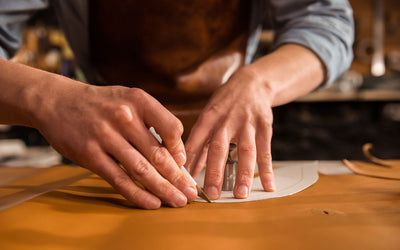
It is worth considering the small details that are easiest to overlook. The placement of the holes affects comfort and appearance. The length of the tail changes how the belt sits through loops. The finish of the edges, the shape of the tip and the weight of the buckle all contribute to the sense that the piece belongs to you.
Choose one belt that answers a real wardrobe need, then make it memorable through material, proportion or hardware. That is often the most enduring form of luxury: not more accessories, but one beautifully made piece you reach for with certainty.
Leave a comment