

Choosing a Bespoke Leather Belt in the UK
A belt is often the final element of a considered outfit, yet it can be the piece that gives it definition. The right bespoke leather belt UK wardrobe needs are not simply about waist measurement: it is about the proportion of the strap, the character of the leather and the weight of the buckle against the clothes you wear most. Made with intention, it becomes a signature rather than an afterthought.
A handmade belt also offers something increasingly rare in luxury accessories: the freedom to choose a piece that reflects how you dress. A deep brown vintage calf belt with aged metal hardware will carry a very different presence from a slim Italian Nubuck strap finished with polished silver plating. Both can be beautifully made. The distinction lies in selecting the one that belongs naturally in your wardrobe.
Why choose a bespoke leather belt in the UK?
Bespoke should mean more than selecting a standard belt from a list of colours. It is the opportunity to consider the leather, width, finish, buckle and fit as one design. Those choices affect how the belt wears, how it ages and whether it works with the tailored trousers, denim, dresses or outerwear already in your collection.
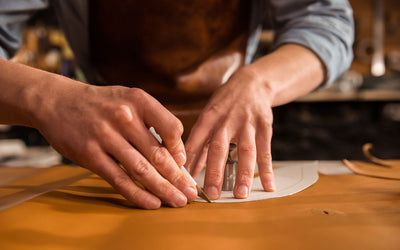
For UK customers, English-made craftsmanship brings a particular confidence. A belt produced by skilled artisans is assessed at every stage, from the cutting of the hide to the finishing of the edges and the setting of the buckle. Clean edges, balanced proportions and secure hardware may seem like quiet details, but they determine whether a belt still looks composed after years of regular wear.
There is also value in buying with longevity in mind. A full-grain leather strap develops a patina that is individual to its owner, rather than wearing out in the manner of a lightly finished, mass-produced belt. Bespoke does ask for more thought at the outset, and premium materials command a higher price. In return, the result is a piece with a longer life and a more personal character.
Begin with fit and proportion
An excellent belt should sit comfortably at the fastening you use most, not merely reach the nearest hole. When ordering, measure a belt that fits well from the fold of the leather at the buckle to the hole you use regularly. This is more reliable than relying only on trouser size, particularly where a belt will be worn at the natural waist, lower on the hips or over knitwear and tailoring.
Width deserves equal attention. A narrower strap has a refined, discreet effect and suits lighter tailoring, dresses and smaller belt loops. A classic medium width is often the most versatile choice for trousers, jeans and everyday dressing. Wider belts create a stronger line through the waist and work especially well over coats, knit dresses or relaxed silhouettes where the belt is intended to be seen.
Drop-waist and equestrian-inspired styles call for a different approach. Their ease is part of their appeal, so a slightly longer fit can look more natural than a tightly cinched strap. Conversely, a formal belt for suiting should sit neatly, with enough tail to pass through the keeper without creating excess bulk.
A belt designed for the way you dress
Think about the outfits that will ask most of a belt. If your wardrobe is built around navy tailoring, cream knitwear and dark denim, a rich tan, black or deep chocolate leather offers lasting versatility. If your clothing tends towards tonal dressing, an unusual finish such as suede, hair-on cowhide or softened Italian Nubuck can provide texture without disrupting the palette.
A more distinctive choice need not be reserved for evening. A contemporary buckle can sharpen a simple white shirt and tailored trousers, while a crystal-embellished fastening introduces considered light to an otherwise understated dress. The aim is not to make every outfit more ornate. It is to give your best, simplest pieces a point of view.
Select leather for its finish and feel
Leather is not a single material in visual or practical terms. Full-grain leather retains the natural surface of the hide and is valued for its strength, depth and ability to mature beautifully. It is a fine choice for a belt worn frequently with denim, trousers and country-inspired looks. Its surface will change over time, which is part of its appeal.
Vintage calf has a softer, lived-in character from the beginning. It can bring warmth to relaxed tailoring and casual wardrobes, particularly in tobacco, cognac and darker brown tones. Italian Nubuck has a velvety, brushed finish that feels more tactile and quietly luxurious. It lends itself particularly well to refined casual dressing, although it benefits from attentive care in wet weather.
Suede creates a similarly soft effect, often with a more relaxed expression than smooth leather. Hair-on cowhide makes a stronger statement, adding natural variation and texture to plain outfits. Neither is inherently better than the other. Smooth full-grain leather is usually the sensible first bespoke belt; textured leathers are compelling when you want a second piece with a clearer styling role.
The buckle changes the whole design
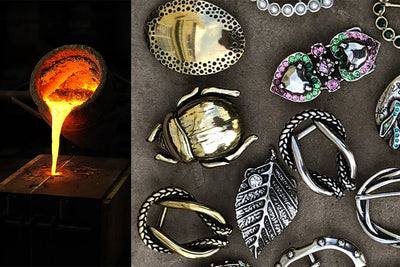
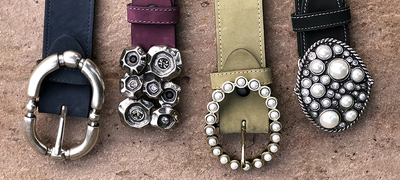
The buckle is the focal point of a belt and should be chosen with the same care as the strap. Solid brass has warmth and substance, particularly against brown, tan and black leather. Silver-plated hardware offers a cooler, cleaner finish that pairs naturally with monochrome dressing, grey tailoring and contemporary wardrobes. Aged-metal finishes feel less formal and can complement vintage calf and textured leathers beautifully.
An interchangeable buckle system makes a bespoke belt considerably more useful. One well-made strap can take on a different personality with a change of hardware: classic for the working week, decorative for an evening occasion, or equestrian in character for weekend dressing. It also allows the leather and buckle to be selected independently, rather than compromising on one to obtain the other.
This modular approach is particularly considered for travel. A small selection of straps and buckles creates several distinct looks without taking up the space of several complete belts. It is a practical luxury, but it also means a favourite leather strap can remain part of your wardrobe as your tastes evolve.
Consider occasion without buying for only one occasion
The most successful bespoke belt usually has a clear purpose, while retaining enough versatility to be worn often. For business and formal settings, opt for a clean full-grain strap in black, dark brown or navy with restrained metalwork. The details should complement rather than compete with the line of a suit or a sharp trouser.
For everyday wear, softer leathers and more expressive buckles have room to shine. A broad belt can bring structure to a cashmere cardigan and wide-leg trousers. A suede belt works elegantly with linen, denim and relaxed wool. For an occasion piece, crystal hardware or an embellished buckle can transform a simple silk dress or tailored jumpsuit with very little effort.
Clara Perri approaches this choice through handmade English production, Italian leathers and detachable buckles, allowing each belt to be composed around the wearer rather than a passing trend. The result should feel specific to you, yet sufficiently enduring that it remains relevant season after season.
Care for the belt you intend to keep
A fine leather belt benefits from simple, regular care. Store it loosely coiled or hanging away from direct sunlight and heat, and avoid leaving it tightly fastened in a wardrobe for long periods. Smooth leather can be maintained with an appropriate neutral leather conditioner used sparingly. Nubuck and suede should be brushed gently with products designed for their finish rather than treated like polished leather.
If a belt becomes wet, allow it to dry naturally at room temperature. Do not place it on a radiator or use direct heat, which can dry and stiffen the leather. Wipe hardware with a soft, dry cloth, particularly after wear in rain or near salt water.
Choose the strap that feels right in your hand, then consider the buckle that makes you want to wear it again tomorrow. That is often the clearest sign that a bespoke belt will earn its place in your wardrobe.
Leave a comment