

Choosing a Men's Leather Belt With Buckle
A men's leather belt with buckle is often treated as a practical necessity, chosen in haste just before leaving the house. Yet few accessories sit so visibly within an outfit, or have such power to make tailoring feel considered, denim look sharper and simple knitwear appear complete. The right belt is not merely there to hold a trouser waist in place. It is a line of leather, colour and metal that brings proportion and intention to what you wear.
For a wardrobe built around enduring pieces, the choice deserves the same attention as a well-cut jacket or a fine pair of shoes. Material, width, buckle shape and fit all matter. More importantly, they need to work together.
Why a Men's Leather Belt With Buckle Matters
A well-made belt is recognised less by loud branding than by its quiet certainty. The leather should have depth of colour, a pleasing hand and enough substance to retain its form through years of wear. The buckle should feel balanced rather than bulky, with a finish that complements the leather instead of competing with it.
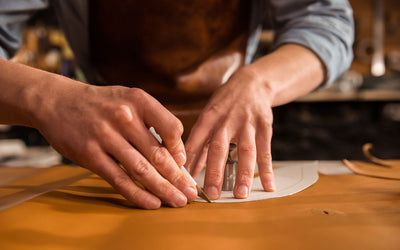
Mass-produced belts can appear convincing at first glance, but their limitations tend to reveal themselves quickly. Bonded leather may crack at the fold. Thin edges can soften and curl. Plated hardware may lose its finish after regular contact with desks, tables and trouser buttons. A handmade belt, crafted from considered materials, wears in rather than simply wearing out.
This is where the distinction between a fashionable accessory and a lasting wardrobe component becomes clear. A belt in full-grain leather acquires character at the crease and around the buckle tongue. It records use in a way that feels individual, while preserving the structure required for polished dressing.
Begin With the Leather
Leather determines the character of the belt long before the buckle is noticed. A smooth full-grain leather offers a refined, versatile finish, making it especially suited to formal trousers, wool tailoring and elegant everyday dressing. Its natural grain remains visible beneath the surface, giving the strap a richness that improves with care.
Vintage calf leather has a softer, more relaxed personality. It pairs naturally with denim, brushed cotton, corduroy and casual suiting, where a little texture prevents the look from feeling overly precise. The finish may develop subtle variations with wear, which is part of its appeal rather than a flaw.
Italian nubuck offers another expression altogether. Its velvety surface brings warmth and depth to a belt, particularly in tobacco, navy, charcoal or deep green. Nubuck is a distinctive choice for someone who already owns a classic smooth leather belt and wants a quieter point of difference. It does require thoughtful care, however: its brushed surface is less forgiving of spills and rough handling than polished leather.
Suede and hair-on cowhide are more directional still. They can be excellent with relaxed separates, country-inspired layers and textured footwear, but are not necessarily the first belt to choose for a narrow formal wardrobe. The best material depends on where the belt will be worn most often. One exceptional, versatile leather belt is a better starting point than several compromised alternatives.
Select the Buckle for the Occasion
The buckle establishes the mood. A simple rectangular frame in solid brass is a classic choice, with a warmth that works beautifully against brown, tan and dark green leather. Left to develop a gentle patina, brass has a character that feels personal and established. It is particularly effective for weekend wear, denim and softer tailoring.
Silver-plated and polished metal finishes tend to feel crisper. A refined silver buckle sits easily with black, navy or dark brown straps, and offers a natural companion to formal shoes, a watch case or understated cufflinks. For business dressing, a clean frame with restrained proportions is usually the most useful choice.
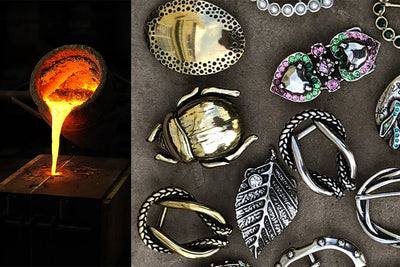
Aged-metal finishes introduce an element of texture and depth. They suit a wardrobe with heritage references: waxed jackets, heavy knitwear, dark denim, boots and tweed. The finish should still be well judged. A buckle can have character without looking theatrical.
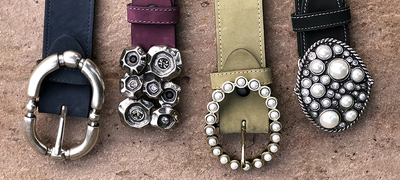
Buckle shape affects the overall impression too. A compact rectangle is precise and versatile; an oval or gently curved form feels softer and more relaxed. Larger buckles make a clearer statement and need enough trouser loops and leather width to support them. They are best chosen deliberately, not simply because they are more noticeable.
Get the Width and Fit Right
Proportion is often the difference between a belt that looks integral to an outfit and one that appears added as an afterthought. For most tailored trousers, a narrower strap offers the cleanest result. It sits neatly through refined belt loops and keeps the focus on the cut of the trousers. A moderately wider belt has more presence and is well suited to jeans, chinos and casual trousers.
The same rule applies to buckle scale. A slim strap paired with an oversized buckle can look unbalanced; a substantial leather strap with a very slight buckle can lack definition. Consider the belt as one complete object, rather than selecting its parts in isolation.
Fit should be measured from the buckle fold to the hole used most comfortably, not judged solely by trouser size. Ideally, the belt fastens at the centre hole, allowing room for small changes in layering or fit. Too short and the end barely reaches the first keeper. Too long and excess leather interrupts the clean line at the front of the body.
If the belt is intended for both formal trousers and denim, consider where each pair sits on the waist. Jeans often sit lower, meaning the same belt may require a different size than one worn with high-waisted tailored trousers. A reliable size guide is useful, but measuring a favourite existing belt can offer the most accurate reference.
Build a Belt Wardrobe With Purpose
A considered collection need not be extensive. Start with a dark brown leather strap and a refined buckle if your wardrobe includes navy tailoring, mid-wash denim and earth-toned knitwear. Add black leather for charcoal, black and formal evening dressing. From there, a lighter tan, navy nubuck or textured vintage calf belt can bring variety without repetition.
Matching belt leather exactly to shoe leather is no longer a strict requirement. Harmony matters more than a perfect match. Dark brown shoes can sit elegantly with a rich tobacco belt, while black leather works with silver-toned hardware even when a watch or ring has a slightly different finish. What matters is that the materials feel intentional and the formality is aligned.
For travel, an interchangeable system offers particular value. One carefully made leather strap can take on a different character with a change of buckle: polished silver for dinner, aged brass for the weekend, or a more distinctive finish for an event. It reduces unnecessary duplication while allowing a familiar piece to suit several settings.
The Value of Interchangeable Buckles
A detachable buckle changes the relationship with a belt. Rather than replacing an entire accessory when your wardrobe evolves, you can retain a beautifully made strap and alter its hardware. This is both practical and deeply personal. A favourite buckle can move between leather colours, while a beloved strap can be refreshed with a new metal finish.
The system also allows greater precision when dressing. A black full-grain strap with a polished silver buckle may belong with a dinner jacket or sharp city tailoring. The same strap fitted with an aged-metal buckle can feel more relaxed beside black denim and a cashmere crew neck. These changes are subtle, but luxury often lives in subtlety.
At Clara Perri, handmade English craftsmanship and premium Italian leathers make this modular approach feel considered rather than convenient. The result is an accessory that can be selected for its present purpose, then adapted over time as a wardrobe acquires new colours, textures and occasions.
Care That Preserves Character
A fine belt benefits from a little restraint. Avoid storing it tightly curled or leaving it folded through a buckle for long periods. Hang it or lay it flat where possible, and keep it away from prolonged heat and direct sunlight. If the leather becomes dry, use a suitable conditioner sparingly; too much product can darken the surface or soften its structure.
Nubuck and suede need a different approach. A specialist brush can lift the nap and remove light surface marks, while protective treatments should always be tested cautiously. For all leathers, the most valuable habit is rotation. Giving a belt time to rest between wears helps it maintain its shape at the fastening point.
Choose the belt that feels right in the hand, sits correctly at the waist and gives your clothes a more resolved finish. With fine leather and a buckle chosen for your own way of dressing, it will become one of the pieces you reach for without thinking - and notice every time you do.
Leave a comment