

Detachable Versus Fixed Buckle Belts Compared
A belt is often the final detail in a considered outfit, but its buckle determines far more than the fastening. It affects proportion, character, versatility and how often a favourite leather strap can be worn. When comparing detachable versus fixed buckle belts, the most compelling choice is not simply practical or decorative. It is about how you prefer to build a wardrobe, and whether one beautifully made belt should serve a single purpose or many.
For those who value Italian Nubuck, Full Grain leather and hardware with real presence, the decision deserves closer attention. A fine belt is not a disposable accessory. Its leather develops character, its metal finish gathers a subtle patina, and its design should continue to feel right long after the first wear.
Detachable versus fixed buckle belts: the essential difference
A fixed buckle belt is made as one complete design. The buckle is permanently secured to the strap, often through traditional stitching, rivets or a carefully constructed leather fold. Its proportions, finish and leather have been selected to work together from the outset. A slim polished buckle on a narrow black leather belt, for example, creates a decisive, classic statement with no need for alteration.
A detachable buckle belt is designed as a modular piece. The buckle can be removed and paired with another compatible strap, while the strap can be refreshed with a different buckle. Depending on the construction, this may be achieved with a discreet fastening arrangement at the belt end rather than a permanently closed leather fold.
The distinction matters because the buckle is the visual centre of a belt. Change a softly aged metal buckle for a polished silver-plated design, and the same leather strap moves from relaxed weekend dressing to a sharper evening look. Exchange a plain buckle for one set with Crystal, and an understated dress belt takes on a more celebratory character.
Why a detachable buckle system suits a considered wardrobe
The appeal of detachable buckles lies in thoughtful variety rather than novelty. A wardrobe built around a few exceptional leathers can offer a great deal of expression when the hardware is interchangeable. One deep brown Vintage Calf strap might be worn with solid brass for denim and boots, then paired with a cleaner, more refined buckle for tailoring.
This is especially valuable when dressing across different settings. A wide belt with confident hardware can define the waist over knitwear or a dress, while a slender strap with a restrained buckle works elegantly with trousers. For travel, interchangeable components offer a concise way to pack more styling options without taking several complete belts.
There is also a longevity argument. Leather straps and buckles do not always age at the same pace or suit the same occasions. A much-loved Full Grain strap may remain supple and handsome for years, while a change of buckle can give it a fresh role in your wardrobe. Equally, a distinctive buckle can be retained and styled with a new colour or texture, perhaps suede for autumn or hair-on cowhide for a more directional finish.
At Clara Perri, this flexibility is treated as part of the design rather than a compromise in construction. The purpose is to make personal choice feel integral to a handmade belt: a choice of leather, width, finish and buckle that can evolve with the wearer.
The styling advantage is in the proportions
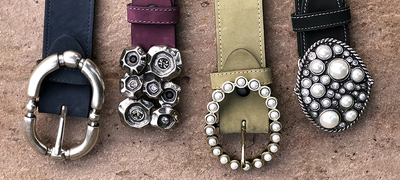
Interchangeability works best when the components have been selected with proportion in mind. A substantial equestrian-inspired buckle calls for enough leather width to support its visual weight. A fine, more decorative buckle can complement a narrow strap, particularly when worn through tailored belt loops or at the waist of a lighter dress.
Colour and metal finish matter just as much. Warm solid brass brings depth to tan, chestnut and rich brown leathers. Silver plating and cooler aged-metal finishes can sharpen black, charcoal, navy and stone. There are no rigid rules, but a deliberate contrast will look more luxurious than an accidental mismatch.
The practical consideration is compatibility. A detachable buckle must be made for the width and attachment style of the chosen strap. Before selecting individual components, check that the buckle and strap are intended to work together. This preserves the clean line of the belt and ensures the fastening sits comfortably when worn.
The quiet strength of fixed buckle belts
A fixed buckle belt has a clarity that is difficult to improve upon. Because the leather and buckle are permanently paired, every aspect of the design can be resolved as a complete object. The buckle position, leather fold, stitching and finish are all part of one composition. For a wearer who has a clear preference for a particular silhouette, that permanence can be precisely the point.
Fixed designs are often the right choice for an iconic everyday belt: the one worn with favourite trousers, riding-inspired boots or dark denim year after year. They also suit buckles with highly specific proportions or decorative details that are intended to remain inseparable from a particular strap.
There is a pleasing sense of ease here. No decisions are required before getting dressed. The belt is already complete, and its identity is assured. For many, a fixed buckle in beautifully finished leather becomes a signature accessory, recognisable in the same way as a cherished watch or pair of shoes.
That said, fixed does not necessarily mean less personal. Bespoke sizing, leather selection, width and finish still allow considerable individuality. It simply means the expression is settled at the moment the belt is made, rather than adjusted over time.
Craftsmanship should lead the decision
Whether a buckle detaches or remains fixed, quality begins with the materials and the making. Premium leather should feel substantial without becoming stiff, and the edges should be carefully finished to withstand regular wear. On a reversible or modular design, the fastening area requires particular attention because it will be handled more often than a permanently closed end.
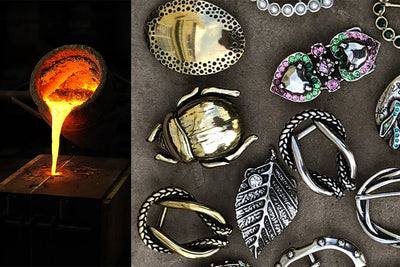
Hardware deserves equally close inspection. A buckle should have visual weight appropriate to the belt, a smooth action at the pin or clasp, and a finish that complements the leather rather than overpowering it. Solid Brass offers warmth and a naturally evolving patina. Silver-plated hardware brings a more polished, formal note. Aged finishes can soften the overall effect and work beautifully with textured or Vintage Calf leathers.
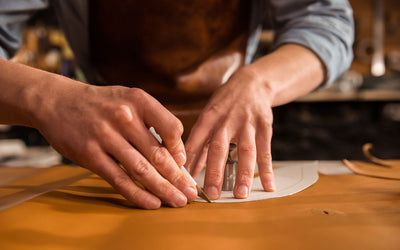
Handmade construction is valuable because it allows these decisions to be made with care. The most satisfying belt is not merely attractive on a product page. It lies flat, fastens securely, sits comfortably at the waist or hip, and looks as considered from the reverse as it does from the front.
Which buckle style is right for you?
Choose a detachable buckle belt if you enjoy refining an outfit through accessories, own several colours of leather, or want a smaller collection to work harder. It is particularly suited to those who move between office dressing, social occasions, weekends and travel, and who appreciate the option of changing hardware without replacing an entire belt.
Choose a fixed buckle belt if you want a complete, enduring design with a settled point of view. It may be the better choice for a highly decorative style, a particular wide-belt silhouette, or an everyday piece you intend to wear in the same way for many seasons.
Many well-dressed wardrobes benefit from both. A fixed belt can provide the dependable foundation: black Full Grain leather with a restrained buckle for daily tailoring, for instance. A detachable system then provides room for character, whether through a suede strap, a strong brass finish or a Crystal buckle selected for an evening occasion.
Consider how you wear belts, not only how they look
Before choosing, think about where the belt will sit. A belt worn through trouser loops needs the correct width and should not create unnecessary bulk at the fastening. A drop-waist or dress belt is judged more by its line across the body, so buckle scale and strap softness become especially important. If you regularly wear higher-waisted skirts or dresses, a narrower strap may offer the most flattering definition.
Also consider your existing jewellery and hardware. If gold-toned watches, bags and shoes dominate your wardrobe, solid brass may feel immediately at home. If you favour cooler metals, silver-plated or aged silver finishes may create a more coherent result. Matching every metal exactly is unnecessary; harmony is more refined than uniformity.
Caring for a belt designed to last
A detachable buckle system benefits from simple, regular care. Remove the buckle before applying a suitable leather conditioner to the strap, and avoid leaving leather in strong sunlight or close to direct heat. Store belts either laid flat or loosely rolled, rather than sharply folded, to protect the leather and preserve its shape.
Wipe metal hardware with a soft, dry cloth after wear, particularly if it has been exposed to fragrance, moisture or salt air. Natural patina is part of the appeal of brass and aged finishes, but gentle handling keeps the mechanism clean and the appearance considered. When changing components, work on a clear, soft surface to avoid marking either the buckle or the leather.
The best belt choice is the one that earns its place in your wardrobe through repeated wear. Select the permanence of a fixed buckle when you have found a design worth committing to, or choose detachable hardware when your style is defined by considered variation. In either case, exceptional leather and finely made metal will make the smallest detail feel entirely intentional.
Leave a comment