

How to Style a Drop Waist Belt with Ease
A drop waist belt changes the line of an outfit without the severity of a tightly cinched waist. Worn low across the hips, it brings intention to relaxed tailoring, fluid dresses and long knitwear, while allowing the natural silhouette of the garment to remain visible. Knowing how to style drop waist belt looks begins with proportion: the belt should look placed, not pulled, and its leather and buckle should feel equal to the quality of the clothes around it.
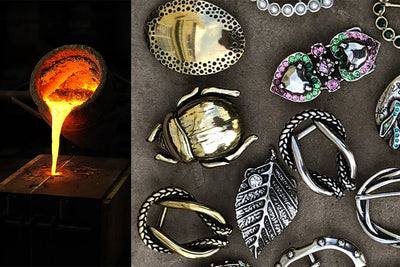
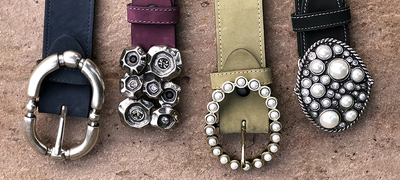
For a piece that will be worn repeatedly, choose leather with presence. Full Grain leather develops character with wear, while Italian Nubuck and suede lend softness to dresses and fine knitwear. The buckle is equally influential. A polished metal finish reads classic and precise; aged metal has a more relaxed, equestrian quality; crystal provides a considered point of light for evening.
Start with the correct drop-waist position
A drop waist belt sits on the upper hip, usually several centimetres below the natural waist. This is not simply a matter of where the belt can fasten. Its position should follow the garment's shape and the proportions of your body, creating a long, unbroken line through the torso rather than dividing it in the middle.
Try the belt over the garment before settling on a fastening hole. With a shirt dress or softly tailored jacket, it may sit just below the hip bone. Over a loose knit or column dress, a slightly lower placement can feel more effortless. The aim is a gentle horizontal accent, not compression. If the belt rides up when you walk or causes fabric to gather heavily, loosen it by one hole or choose a longer strap.
This is why sizing matters more with a drop-waist style than with a waist belt. Measure where you plan to wear it, over the weight of clothing you would usually pair it with. A little ease is essential. The leather should lie flat, with enough length beyond the buckle to look balanced rather than strained.
How to style a drop waist belt by outfit
Over a shirt dress
A crisp cotton or silk shirt dress is one of the most natural partners for a low-slung belt. Position it at the hip to temper the dress's vertical lines without making it feel overly formal. A slim or medium-width leather strap is especially effective here, as it adds definition while preserving the ease of the shirt shape.
Choose a dark brown vintage calf belt with a solid brass buckle for warm neutral dresses, denim or khaki. Black Full Grain leather with silver plating offers a cleaner, more architectural finish against white, charcoal and navy. The contrast need not be dramatic: matching a belt closely to boots or a handbag creates a polished result, but a cognac belt against black can look equally considered when the hardware connects with jewellery.
With relaxed tailoring
A drop waist belt gives relaxed tailoring a less expected finish. Wear it over an unbuttoned or lightly fastened blazer, letting the belt sit across the low hip rather than trying to sculpt the jacket at the waist. This works particularly well with a longline blazer, wide-leg trousers and a fine-gauge knit, creating a composed silhouette that still feels comfortable.
Keep the strap relatively streamlined when working with tailoring. A wide belt can overwhelm a jacket hem or add bulk where the fabric already has structure. Instead, let a distinctive buckle provide the focal point. An equestrian-inspired solid brass buckle is a handsome choice with wool, tweed and flannel, while a restrained silver finish complements sharper contemporary suiting.
There is one useful exception. A broad belt can look exceptional over a softly constructed linen or unlined jacket, provided it is worn low and loose. The result is more continental than corporate, particularly for lunch, travel or an informal evening engagement.
Over knitwear and longer layers
Long cardigans, tunics and fine merino dresses can lose their shape beneath winter layers. A drop waist belt gathers the look visually without forcing knitwear into folds at the narrowest part of the body. It is particularly flattering over a straight, longer knit dress, where it introduces a low focal point and gives the eye somewhere to rest.
Material makes a noticeable difference. Soft Italian Nubuck against cashmere feels rich and understated, while suede creates a tonal, textured pairing with wool. Avoid fastening too tightly over substantial knitwear. The leather should sit smoothly on the surface, not grip it. If a belt is likely to catch or distort a delicate knit, wear it over a light outer layer instead, such as a cardigan or waistcoat.
With denim and weekend dressing
The drop waist belt is not reserved for dresses. With straight-leg or wide-leg jeans, wear it low through the belt loops or just beneath them, depending on the rise of the denim. A well-made leather belt brings depth to a simple combination of white shirt, knit and jeans, especially when the buckle has enough scale to be noticed without becoming decorative for its own sake.
Hair-on cowhide can add texture to pared-back denim, while aged-metal hardware suits worn-in indigo and field jackets. For a more polished weekend look, choose smooth black or rich tan leather and coordinate the buckle metal with a watch, jewellery or the hardware on your bag. The effect is subtle, but it prevents an otherwise simple outfit from appearing unfinished.
For evening and occasion dressing
A low belt can make a fluid midi dress feel newly personal. It is especially effective with silk, crepe and velvet, where a belt worn at the natural waist might appear too formal or interrupt the drape. Place it low enough to preserve movement, then allow the buckle to become the jewellery of the outfit.
A crystal buckle works best when the rest of the styling is edited. Pair it with a simple black dress, a dark trouser suit or a clean-lined evening coat rather than competing embellishment. If your dress already has print, texture or beading, polished metal or a discreet covered leather buckle will usually look more refined.
Choose width and buckle with intention
The width of a drop waist belt should relate to the scale of the garment. Narrow straps are elegant with slip dresses, fine shirting and tailored layers. Medium widths offer the greatest versatility, carrying enough visual weight for knitwear and denim while remaining appropriate with dresses. Wider leather belts are strongest over coats, loose outerwear and minimal longline pieces where there is room for a bolder horizontal line.
Buckle shape affects the mood as much as the leather. Rounded buckles soften sharper fabrics and give equestrian references a timeless character. Geometric buckles suit contemporary dressing and clean tailoring. A decorative buckle should be chosen as you would choose a piece of jewellery: it need not match everything, but it should feel deliberate.
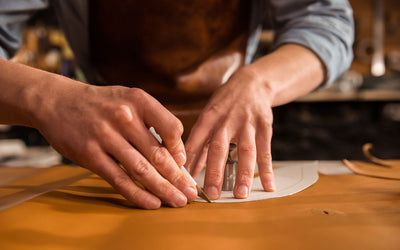
An interchangeable belt system makes this consideration more practical. One beautifully cut strap can take on a different character with a change of buckle, moving from quiet daytime polish to a more distinctive evening finish. At Clara Perri, handmade English leatherwork and detachable buckles make that personal approach part of the design, rather than an afterthought.
Avoid the common proportion mistakes
The most common error is treating a drop waist belt like a conventional waist belt. Tightening it high on the torso defeats its purpose and can make a relaxed garment look uncomfortable. Let the belt retain a little breathing room, particularly over dresses designed to skim rather than cling.
Also consider hem length. A low belt generally looks most assured when there is enough length below it: midi dresses, longer shirts, blazers and tunics are ideal. On a very short top or cropped jacket, the belt can crowd the silhouette unless it is deliberately worn through trousers or jeans. Finally, avoid adding too many competing horizontal lines. If boots, a jacket hem and a belt all sit close together, simplify the colour palette and keep the buckle restrained.
A drop waist belt is at its best when it looks like a considered signature rather than a correction. Let the leather bring texture, let the buckle bring character, and allow the rest of the outfit enough space to show why the piece was chosen.
Leave a comment