

How to Wear an Equestrian Style Leather Belt
An equestrian style leather belt earns its place through restraint. A well-cut leather strap, considered metalwork and a buckle with a subtle riding reference can give a simple outfit the poise of a carefully assembled wardrobe. It is not costume dressing, nor does it require a connection to the saddle. The appeal lies in its balance of utility, polish and enduring material character.
For wardrobes built around fine tailoring, knitwear, denim and dresses with clean lines, this is the belt that quietly brings everything together. Its design language is familiar yet distinctive: full-grain leather that develops depth with wear, warm brass or cool silver-toned hardware, and buckles shaped with the clarity of traditional equestrian fittings.
What defines an equestrian style leather belt?
Equestrian style is often reduced to a horsebit buckle, but the most convincing pieces are more considered than that. They borrow from the practical beauty of riding tack: substantial leather, purposeful stitching, rounded edges and hardware that looks engineered rather than decorative. A D-ring, stirrup-inspired form, snaffle detail or a clean solid-brass buckle can all suggest the influence without overwhelming the outfit.
The leather is central. Italian nubuck offers a softer, matte finish and a beautifully tactile surface, particularly suited to relaxed tailoring and knitwear. Full-grain leather has a more structured presence, with natural markings that become richer over time. Vintage calf brings a gently worn character from the outset, while suede lends softness to lighter seasonal dressing. Each creates a different impression, even when the buckle remains the same.
Scale matters as much as detail. A narrow strap can bring definition to a silk shirt or a high-waisted trouser, while a wider belt has the authority to shape a coat, knitted dress or fluid wool skirt. The aim is not to add ornament for its own sake. It is to give the waist a clear, confident finish.
Choose leather and hardware as a pair
A belt should feel coherent from end to end. The relationship between the leather and the buckle determines whether it reads as refined, relaxed or overtly decorative.
Rich brown leather with aged brass is the classic pairing. It carries warmth and works especially well with cream, camel, navy, olive and denim. This combination has an easy country-to-city versatility: polished enough for a lunch in town, but never too precious with a cashmere jumper and straight-leg jeans.
Black full-grain leather with silver-plated or aged-metal hardware is sharper. Wear it with black trousers, charcoal tailoring or a crisp white shirt when you want structure without a high-shine finish. A dark leather belt need not disappear into a dark outfit. A sculptural buckle or the subtle contrast of brushed metal gives it definition.
For a softer approach, consider tobacco suede or neutral Italian nubuck. These leathers sit beautifully against linen, cream denim and fine-gauge knitwear. They are less formal than smooth calfskin, so they are ideal when an outfit needs texture rather than a strict line. Nubuck and suede do ask for more care in wet weather, however, and are best reserved for days when their finish can be appreciated rather than tested.
Crystal details can have a place within equestrian-inspired styling, provided the proportions stay disciplined. A crystal buckle against deep navy, black or espresso leather can bring evening light to a simple dress. Keep the remaining accessories understated, allowing the belt to be the considered point of distinction.
Let the buckle set the mood
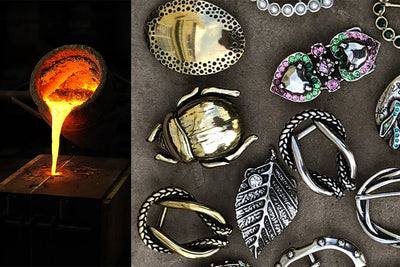
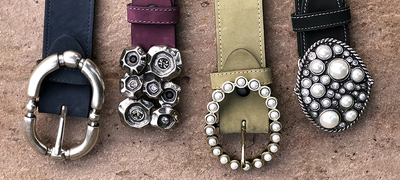
A restrained solid-brass frame buckle feels traditional and capable. A curved, stirrup-like design is more explicitly equestrian, while still wearable with contemporary clothes. A horsebit-inspired buckle offers a recognisable reference, but it looks strongest when the strap is clean and the outfit is not competing for attention.
If you favour versatility, interchangeable buckles make a practical luxury choice. One beautifully made leather strap can move from a warm brass buckle for day to a polished silver or crystal design for evening. Rather than accumulating belts that serve only one outfit, you can refine the same foundation for different occasions and seasons.
How to wear an equestrian belt with everyday pieces
The easiest way to wear an equestrian style leather belt is to let it sharpen clothes you already rely on. With denim, thread a medium-width brown leather belt through classic blue or ecru jeans and choose a buckle with enough weight to be seen. A tucked-in Oxford shirt, a silk blouse or a fine merino knit allows the hardware to sit naturally at the centre of the look.
With tailored trousers, the choice is more dependent on belt loops and fabric weight. A slim to medium strap in black or dark brown leather is usually the most elegant proportion. Match the metal loosely to your jewellery, rather than treating it as a rule. Mixed metals can look considered when one finish is dominant and the rest are understated.
A belt also changes the line of a dress. On a shirt dress, position it at the natural waist for a traditional, composed silhouette. On a looser midi dress, try sitting it slightly lower to retain ease while introducing shape. A wider leather belt is particularly effective over dense knitwear, but on fine silk or lightweight cotton it may pull the fabric or look too forceful. In those cases, a narrower strap is the more graceful answer.
Outerwear deserves the same attention. A leather belt can replace a fabric tie on a trench or define the waist of a long wool coat, although this works best when the coat has enough ease and a smooth surface. Avoid tightening it excessively. The effect should be architectural, not constricting.
Building a look around proportion, not rules
There is no requirement to pair an equestrian buckle with boots, a blazer and a particular shade of brown. That combination can be elegant, but it is only one expression of the style. The better question is whether the belt adds a useful contrast or a sense of completion.
If your outfit is fluid and soft - wide-leg trousers, a draped blouse, a long cardigan - choose a belt with defined edges and solid hardware to introduce structure. If your outfit already has strong tailoring, a supple suede or nubuck strap can prevent the result from feeling severe. The contrast is often more interesting than exact matching.
Consider the visual weight of the buckle. Larger hardware draws the eye to the waist and suits taller frames, heavier fabrics and simpler outfits. A smaller buckle works well when your clothing already includes pattern, texture or decorative buttons. Neither is inherently more flattering; placement and proportion matter more than size alone.
For men, an equestrian-inspired leather belt is particularly effective with dark denim, corduroy, chinos and flannel trousers. A substantial brown or black full-grain strap with a simple brass or aged-metal buckle offers character without looking overly styled. The leather should complement, not precisely match, shoes. Tones that sit within the same family generally look more natural than identical colour matching.
Fit is the detail that makes a belt look bespoke
Even the finest leather cannot compensate for an incorrect fit. A belt should fasten comfortably at the middle hole, leaving a neat length of strap beyond the buckle. This gives room for variation between trousers, dresses and seasonal layers, while preserving the intended proportions.
Before choosing, decide where you plan to wear it. A high-waist trouser measurement is not the same as a low-rise denim measurement, and a belt worn over knitwear may require additional length. Measure the point where the belt will sit, rather than relying solely on a trouser size. This is especially valuable for wider styles, which tend to feel more fitted because they cover more of the waist.
A proper leather belt should also improve with use. Full-grain leather will soften and take on a personal patina; it should not crack, peel or lose its shape after a season. Store it loosely coiled or hung straight, keep it away from prolonged heat, and use an appropriate leather conditioner sparingly on smooth finishes. Suede and nubuck benefit from gentle brushing and protection from heavy rain.
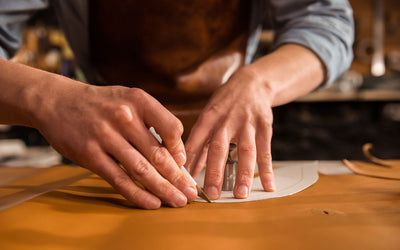
At Clara Perri, Handmade in England craftsmanship and interchangeable design allow the belt to be selected with this level of intention: the leather, buckle, finish and proportion can each reflect the way you dress.
The most enduring choice is the one you will reach for without thinking - a leather belt with enough presence to define an outfit, and enough restraint to make every wear feel entirely your own.
Leave a comment