

How to Choose the Right Suede Belt for Dresses
A beautifully cut dress can still feel unfinished until the waist is considered. A suede belt for dresses brings definition without the hard shine of polished leather, adding a softer, more tactile point of focus to silk, linen, wool and knitwear alike. It can draw in a relaxed silhouette, lengthen the appearance of the leg or give a familiar dress a distinctly different character.
Suede is especially compelling because it has presence without insistence. Its brushed surface absorbs light rather than reflecting it, so even a strong colour feels composed. In a wardrobe built around considered pieces, that quiet richness makes suede an exceptionally versatile choice.
Why a Suede Belt for Dresses Changes the Silhouette
The effect of a belt begins with proportion. A dress with an undefined waist can appear fluid and effortless, but it may not always create the line you want. A well-chosen suede belt establishes that line with a gentler finish than high-gloss leather or conspicuous hardware. It feels refined against a cashmere knit dress, a crisp cotton shirt dress or a printed midi.
Unlike a rigid accessory that can interrupt the fabric, quality suede has visual softness. Italian nubuck and fine suede are particularly suited to dresses because they offer depth of colour and a supple hand, while retaining enough body to sit neatly at the waist. The difference is evident in the way the belt curves, fastens and wears over time.
Placement matters as much as material. Worn at the natural waist, a belt creates a classic, balanced proportion. Set slightly higher, it can bring structure to a long, column-like dress. A lower, drop-waist placement feels more relaxed and contemporary, particularly over a simple jersey or loose silk silhouette. There is no single correct position - the dress, your height and the occasion should lead the decision.
Choosing the Right Suede Belt for Dresses
Begin with belt width
A narrow suede belt, usually around 2 cm or less, gives a discreet finish. It works beautifully with fine knitwear, slip dresses and tailored shirt dresses where the fabric should remain the focus. It is also an elegant choice when a dress already has detail at the neckline, sleeve or hem.
A medium-width belt offers greater definition and is often the most adaptable option. It can shape a wool crepe midi dress for the office, sharpen a printed day dress or bring order to a softly draped silk style. For many wardrobes, this is the width that moves most easily between weekday dressing and dinner plans.
A wide belt is a more deliberate styling choice. It has the authority to transform a minimal black dress, a full-skirted cotton piece or a long knit. The trade-off is that it makes a stronger statement, so it suits cleaner silhouettes better than dresses with heavy ruching, elaborate prints or a built-in waist seam. A wide suede belt should feel intentional, never like an attempt to contain fabric that does not wish to be contained.
Select a colour that earns its place
Black suede gives definition with a matte, understated finish. It is a natural companion to monochrome dressing, charcoal tailoring and deep jewel tones. Dark brown and chocolate introduce warmth and pair exceptionally well with ivory, camel, denim blue, forest green and autumnal prints.
Tan, tobacco and cognac suede work beautifully with linen, cotton poplin and relaxed shirt dresses. Their warmth feels especially right in spring and summer, though they are equally useful with cream knitwear and a long wool dress in cooler months. Navy offers a considered alternative to black, while burgundy or oxblood can add depth without the brightness of a more fashion-led accent colour.
For a lengthening effect, choose a belt close to the colour value of the dress or your hosiery. For contrast, select a shade that appears elsewhere in the outfit, perhaps in boots, a handbag or a coat. Matching every accessory precisely can feel overly coordinated; repeating one tone is usually enough to create a composed result.
Let the buckle set the mood
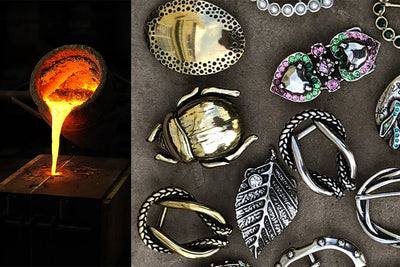
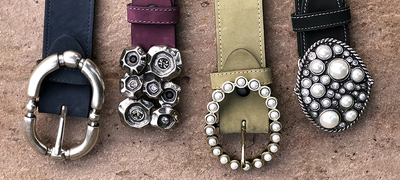
The buckle determines whether a suede belt reads as classic, equestrian, contemporary or decorative. A polished or aged solid brass buckle brings warmth to brown, tan and olive suede, and is particularly effective with heritage-inspired dresses and riding-style boots. Silver-plated hardware offers a cooler, cleaner contrast against black, grey, navy and jewel-toned suede.
For everyday wear, a restrained buckle with clear, balanced proportions will prove most versatile. A more sculptural or crystal-finished buckle has a different role: it can make a simple black dress feel complete for an evening event, or provide a point of light against deep-coloured velvet or satin. The leather should remain beautiful in its own right, but the hardware gives you the opportunity to shift the personality of the piece.
This is where an interchangeable buckle system is particularly valuable. One finely made suede strap can be refreshed with different hardware rather than replaced, allowing a classic daytime belt to become more formal when the occasion changes. It is a more considered approach to building an accessories wardrobe, and it gives personal style room to evolve.
Styling Suede Across the Dress Wardrobe
A suede belt is at its most useful when it works with the dresses you already wear. Over a shirt dress, position it at the natural waist and leave the shirt slightly bloused above it for an easy, polished line. A medium-width belt in tobacco suede with aged brass hardware feels relaxed yet precise, especially with loafers or knee-high boots.
With a knit dress, choose a belt that does not compress the fabric too tightly. A soft, fine suede strap prevents bulk at the waist and preserves the clean fall of the knit. Tonal dressing is often strongest here: charcoal suede over grey, chocolate over oatmeal, or navy over a deep blue ribbed dress.
For a silk or satin dress, contrast is the point. The dry, velvety surface of suede offsets the fluid sheen of the fabric, making the combination feel less formal and more individual. Keep the belt relatively slim if the dress is bias-cut or delicate, and avoid pulling it so tight that the fabric puckers.
A floral midi dress benefits from a belt that picks up a quieter shade from the print rather than its boldest colour. Deep brown, soft navy or muted berry often ground a print more elegantly than black. If the dress has volume through the skirt, a slightly wider belt can provide welcome structure; with a busier bodice, a narrow strap is usually the better balance.
For evening, black suede with a crystal buckle offers a measured way to introduce detail. It is more nuanced than a fully embellished accessory, yet it still catches the eye under low light. Wear it with a minimal crepe dress, a velvet column or a tailored black midi, allowing the buckle to act as jewellery at the waist.
Fit Is the Detail That Makes It Look Considered
A belt worn with dresses should fasten securely without creating tension across the garment. The ideal fit allows the strap to sit flat while leaving enough ease for movement, a meal and the natural shifts of fabric during the day. A belt that is too tight can make even expensive material look strained; one that is too loose loses its purpose and may rotate away from the centre.
Measure where you intend to wear it, rather than relying solely on trouser size. Your natural waist, high waist and low waist can differ substantially, particularly when a belt is worn over dresses of varying thickness. If you plan to style the same belt over fine silk and heavy knitwear, allow for that variation when selecting the size.
The tail of the belt also affects the finished look. A short tail looks neat and traditional, while a longer tail threaded through a keeper can lend a more relaxed, contemporary feel. What matters is proportion: the end should look deliberate, not accidental.
Caring for Suede So Its Finish Lasts
Fine suede deserves a little attention. Store the belt away from direct sunlight, which can alter rich colours over time, and avoid crushing it beneath heavier accessories. After wear, brush lightly with a suede brush in one direction to lift the nap and remove surface dust.
Moisture is suede's main challenge. If the belt becomes wet, blot it gently with a clean, dry cloth and allow it to dry naturally away from radiators or other direct heat. Never rub at a mark while the suede is damp, as this can press it deeper into the surface. For a significant stain, specialist leather care is the safest choice.
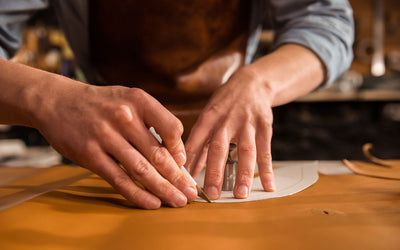
A handmade suede belt is not simply a finishing touch. It is a small but expressive piece of craftsmanship that can reshape the clothes you return to most. Choose a strap whose colour and width suit your wardrobe, then let the buckle carry the individual detail - a considered combination will make every dress feel more distinctly your own.
Leave a comment