
Best Belt Colours for Workwear, Chosen Well
A belt may occupy only a narrow line at the waist, yet it has an outsized effect on workwear. It can sharpen the proportion of a tailored trouser, bring intention to a silk dress, or quietly disrupt an otherwise considered look. The best belt colours for workwear are not simply the most neutral ones. They are the colours that work with your tailoring, shoes, hardware and the character of your working wardrobe.
For a professional wardrobe built to last, begin with leather that will earn its place over years of wear. Full-grain leather, Italian nubuck and finely finished suede carry depth that synthetic, overly glossy alternatives cannot replicate. Colour matters, but so does the way that colour is expressed through the material.
Best belt colours for workwear
Black: the precise essential
A black leather belt is the natural starting point for formal and metropolitan dressing. It brings clarity to black, charcoal and deep navy tailoring, and provides a crisp finish to white, ivory or pale blue shirting. For men, it remains the most dependable choice with black Oxford or Derby shoes. For women, a slim black belt can define the waist of a black blazer dress or temper the fluidity of wide-leg trousers.
The key is to choose the finish carefully. Smooth black full-grain leather feels polished without becoming severe, particularly with a solid brass buckle in a restrained silver-plated or aged-metal finish. Highly polished leather and bright hardware can look more evening than office, unless your workplace style is overtly fashion-led.
Black is not required with every dark outfit. A head-to-toe navy suit, for example, often looks more harmonious with a dark brown or navy belt. Treat black as a deliberate punctuation mark rather than an automatic answer.
Dark brown: the warm wardrobe foundation
Dark brown is arguably the most versatile belt colour for contemporary workwear. It has enough formality for meetings and client lunches, yet its warmth makes tailoring feel less rigid. Wear it with navy, mid-grey, stone, olive and cream, as well as denim on less formal working days.
Chocolate, espresso and deep tobacco leathers are particularly useful because they pair naturally with brown footwear while retaining a luxurious, grounded presence. A dark brown belt in vintage calf develops character over time, making it especially rewarding for a wardrobe centred on well-cut wool trousers, cashmere knitwear and textured jackets.
For women, dark brown works beautifully as a defining line over camel tailoring, a taupe shirt dress or an ecru trouser. A softly aged brass buckle complements the leather's warmth and avoids the overly matched appearance that can make an outfit feel formulaic.
Tan and cognac: considered rather than casual
Tan, cognac and saddle leather bring light to a workwear wardrobe. They are excellent with navy, cream, soft grey, khaki and denim, especially in spring and summer or in offices where smart casual dressing is the norm. The appeal lies in their ability to make neutral clothing feel more individual.
There is, however, a formality trade-off. A light tan belt can feel too relaxed against a dark worsted suit, particularly in conservative professional settings. It is better reserved for brushed cotton chinos, linen-blend tailoring, lighter wool trousers and dresses with an easy, architectural silhouette.
Choose a richer cognac rather than a very orange tan for greater longevity. It will sit more comfortably beside polished brown loafers, chestnut ankle boots and gold jewellery, while still offering contrast against pale fabrics.
Navy: the quiet alternative to black
A navy belt is an exceptionally elegant choice for those who wear blue tailoring regularly. It creates a tonal line with navy trousers and suits, without the hard contrast of black. In Italian nubuck, navy has a softness and depth that feels particularly refined beside flannel, brushed wool and fine knitwear.
Navy also works with grey, white, stone and muted pink. It is a thoughtful option for a woman who wears navy dresses or a man whose weekly uniform relies on blue jackets and grey trousers. Pair it with a silver-toned buckle for a cooler, more tailored effect, or with aged brass when the rest of the outfit includes warm brown leather.
Avoid trying to match every shade of navy exactly. A belt a shade darker or lighter than the tailoring usually looks intentional. Exact matching can flatten the outfit, whereas tonal variation gives the materials room to speak.
Burgundy and oxblood: colour with authority
Burgundy, oxblood and deep wine offer personality without sacrificing polish. These colours are particularly effective with charcoal, navy, camel, olive and cream. They work well in professional wardrobes that favour heritage textures such as tweed, corduroy, flannel and cashmere, but are equally compelling against clean contemporary tailoring.
The depth of the colour matters. Choose a dark, brown-based burgundy rather than a vivid red, which may feel distracting in a formal environment. An oxblood belt paired with matching or near-matching shoes is a classic combination, though it need not be identical. A tonal relationship is more sophisticated than a rigid set.
For women, a burgundy belt can draw together a neutral dress and burgundy bag or shoe without appearing overly coordinated. It is also a strong choice for introducing colour into a predominantly black, navy and grey office wardrobe.
Match the belt to the level of formality
Colour should be decided alongside width, texture and buckle. A narrow, smooth leather belt in black or dark brown is suited to more formal tailoring, while a wider belt in suede or nubuck has a slightly softer, more expressive presence. Neither is inherently better. The right choice depends on the silhouette of the outfit and the expectations of the setting.
In traditional corporate environments, keep the belt close to the formality of the shoe and choose discreet hardware. In creative, design-led or client-facing roles, a sculptural buckle, a rich suede finish or a deeper accent colour can become a signature detail. The belt should still feel integrated with the outfit rather than competing with it.
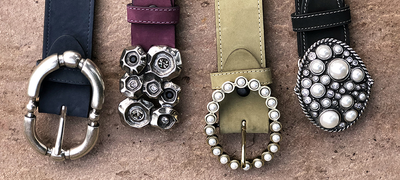
Interchangeable buckles are particularly useful for workwear because they allow one exceptional leather strap to adapt across the week. A clean silver-plated buckle may suit charcoal tailoring, while solid brass can warm the same dark brown strap for camel or olive separates. This approach is less about owning more accessories and more about owning pieces with considered range.
Consider your wardrobe's dominant neutrals
The most useful belt colour is often revealed by the trousers, skirts and shoes you wear most frequently. If your wardrobe is built around black, charcoal and cool-toned tailoring, start with black and navy. If it leans towards navy, camel, cream and brown footwear, dark brown and cognac will serve you better. Those who favour soft neutral dresses and relaxed tailoring may find taupe, deep brown or muted navy more flattering than stark black.
It is also worth considering how a belt reads against your complexion when worn at the waist over dresses or knitwear. High contrast can create a strong, graphic division. Tonal leather creates a longer, more fluid line. Neither effect is wrong, but the choice should support the proportion you want to create.
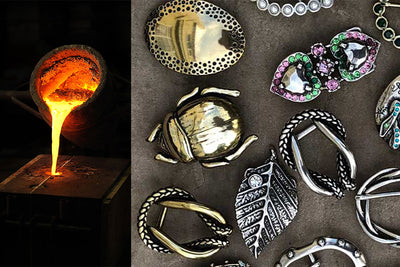
At Clara Perri, handmade English craftsmanship and interchangeable buckle design make this kind of wardrobe editing more personal. A beautifully made strap in a lasting colour can become a familiar part of how you dress, while a change of buckle shifts its mood with little effort.
Care keeps colour looking considered
The deeper and more nuanced the leather, the more it benefits from proper care. Store belts flat or loosely coiled, away from direct sunlight and central heating. Allow leather to rest between wears, especially after rain, and use material-appropriate products sparingly. Nubuck and suede require a gentler approach than smooth full-grain leather, while metallic hardware benefits from a soft dry cloth.
A work belt should acquire character, not neglect. The soft burnishing that develops on quality leather is part of its appeal; cracking, staining and misshapen holes are not. Choosing a colour that works across several outfits means it will be worn often, so craftsmanship and care become inseparable.
When in doubt, begin with a dark brown or black belt in exceptional leather, then add navy or burgundy once you know the colours your wardrobe asks for most. The finest choice is the one that makes getting dressed feel more resolved before you have even left the house.

Leave a comment