How to Choose Belt Shape for Every Outfit
A belt can alter the proportion of an entire outfit in a single line. The right shape defines the waist, brings structure to relaxed layers or gives tailored trousers a considered finish. Knowing how to choose belt shape begins with looking beyond colour and buckle: the width, edge profile and curve of the leather should work with the garment, your proportions and the occasion.
A beautifully made belt is not simply a finishing touch. In Italian nubuck, full-grain leather or soft suede, it becomes a lasting part of a wardrobe - one that can be styled differently as seasons and silhouettes change.
How to Choose Belt Shape by Outfit
The most useful starting point is the garment’s own construction. Look at the size and placement of belt loops, the weight of the fabric and whether the outfit has a defined waist already. A belt should feel intentional, not squeezed into place.
For denim and casual trousers, a medium-width straight belt is the most versatile choice. It has enough presence to hold its own against substantial cotton and works naturally with a classic buckle. A 30 to 40 mm strap is often a balanced proportion for jeans, chinos and weekend tailoring. Full-grain leather, vintage calf and softly textured suede all develop character with wear, making them particularly well suited to this role.
With formal trousers, the line should be more restrained. Choose a narrower, finely edged strap that passes smoothly through smaller loops and sits discreetly beneath a jacket. A clean leather belt with a polished silver-plated or solid brass buckle offers definition without competing with precise tailoring. Here, a very wide belt can interrupt the long vertical line created by a trouser crease and fitted jacket.
Dresses call for a different approach. When the aim is to draw attention to the waist, a shaped or contoured belt can be more flattering than a completely straight strap. A gentle curve follows the body rather than cutting across it, particularly over knitwear, fluid silk or a softly gathered dress. For a shirt dress or a loose linen style, a wider belt creates clearer structure and brings a more deliberate finish.
Straight, Curved or Wide: What Each Shape Does
Belt shape is partly practical and partly visual. The distinction is subtle in the hand, but noticeable once worn.
Straight belts for everyday versatility
A straight belt maintains an even width from buckle to tip. This is the classic choice for trousers, denim and skirts with traditional belt loops. It gives a clean, horizontal line and suits wardrobes built around crisp shirts, knitwear, blazers and well-cut outerwear.
Straight straps are also the easiest foundation for interchangeable buckles. Switching from a simple aged-metal buckle to a more decorative crystal or equestrian-inspired design changes the character of the belt without replacing the leather itself. This is especially useful when one belt needs to move between weekday dressing, travel and evening plans.
Curved belts for a more natural waistline
A curved belt is cut to follow the waist and hips. Rather than sitting as a rigid band, it settles into the contours of the body with less tendency to lift at the back or create excess space at the front. This makes it an elegant option for wearing over dresses, longline knitwear and high-waisted skirts.
The effect is feminine without being overly decorative. A curved leather belt can sharpen a softly draped outfit, while a narrow curved style brings definition without overpowering a petite frame. It is often the better choice when the belt will be worn over fabric rather than threaded through loops.
Wide belts for confident definition
Wide belts make a visual statement because they create a substantial band around the waist. They work best where there is room for that line to be seen: over a tailored blazer, a flowing dress, a coatigan or a long tunic. They are less suited to narrow trouser loops, where forcing a wide strap can distort the garment and make the waist look crowded.
The trade-off is proportion. A very wide belt can look striking on a tall frame or with a long, uninterrupted silhouette, but may feel dominant on a shorter torso. If you are unsure, choose a medium-wide shape first. It offers definition while leaving enough space above and below the belt for the outfit to breathe.
Match Width to Your Proportions, Not Just Fashion
There is no single belt width that flatters everyone. The most considered choice reflects both body proportion and the scale of the clothing.
A narrow belt, around 15 to 20 mm, brings delicacy to a silk dress, fine knit or high-waisted skirt. It is also a refined companion to formalwear, particularly when a slim buckle is chosen in the same visual register. Narrow straps should not disappear entirely, however. A contrasting leather or distinctive buckle can give them the necessary presence.
Medium widths tend to offer the greatest flexibility. They suit most denim, tailored trousers and dresses with belt loops, and they can carry a range of buckles without looking either overly delicate or heavy. For many wardrobes, this is the shape worth investing in first.
Wider styles are best chosen with purpose. They can shorten the appearance of the torso if placed too high, yet they can also create a beautifully defined middle when paired with a loose dress or elongated jacket. Try the belt at the position where you naturally want the eye to rest. At the natural waist, it creates shape; lower on the hip, it gives a more relaxed, contemporary effect.
Consider the Buckle as Part of the Shape
The buckle is not separate from the belt’s silhouette. Its scale, finish and geometry all affect how the finished piece reads.
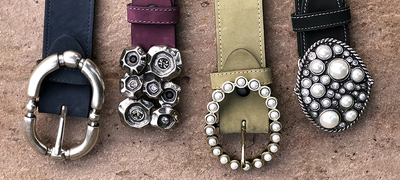
A rectangular or square buckle reinforces the neat structure of a straight leather strap. It suits classic trousers, denim and minimalist dressing, especially in solid brass, silver plating or softly aged metal. Rounded buckles create a gentler effect and can complement curved belts or softer fabrics. Equestrian-inspired hardware lends heritage character to country dressing, riding-inspired looks and relaxed weekend layers.
Decorative buckles deserve a little more restraint elsewhere. Crystal embellishment can transform a simple black nubuck or suede strap for dinner, celebrations and evening events, but it will look more elegant when paired with a clean belt shape and an uncluttered outfit. Let one element lead.
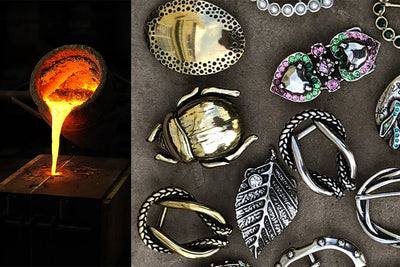
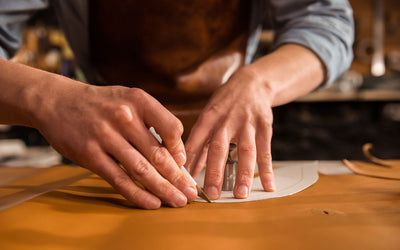
An interchangeable system offers a practical advantage here. Instead of buying separate belts for every setting, select a beautifully crafted strap in a shape and leather that suits your wardrobe, then adjust the buckle to suit the occasion. Clara Perri’s handmade-in-England approach makes this flexibility feel considered rather than casual.
Choose Leather That Supports the Shape
Material changes how a belt sits. Firmer full-grain leather holds a crisp, structured line and is ideal for straight belts worn through trouser loops. It offers substance, durability and a finish that improves with age.
Italian nubuck has a softer, velvety surface that brings richness to both casual and refined outfits. It works particularly well in belts intended to be seen, whether at the waist of a dress or against tonal knitwear. Suede creates a similarly soft impression, while hair-on cowhide adds texture and should generally be paired with a simpler silhouette so the material remains the focus.
A supple leather is often more comfortable for a curved or wide waist belt, as it follows the body with ease. A firmer leather is usually better for a narrow strap that must stay neat through loops. Neither is universally superior; the garment and intended use should decide.
A Few Practical Checks Before You Choose
Before settling on a shape, try to picture the belt with at least three outfits you already wear. Consider whether it will sit through loops, over layers or low on the hip. The same strap may be suitable for more than one use, but only if its width and buckle scale allow it.
Pay attention to sizing too. A belt worn at the natural waist often requires a different measurement from one worn with low-rise denim. When between sizes, think about the position you will wear it most often and leave sufficient adjustment for lighter summer fabrics and thicker winter layers.
Finally, do not choose only for the outfit in front of you. The most satisfying belt shape is one that earns its place repeatedly: a straight medium-width leather for everyday polish, a softly curved waist belt for dresses, or a wide statement piece that gives a familiar silhouette new authority. Choose the shape that supports how you dress now, then let exceptional leather and considered hardware make it unmistakably your own.
Leave a comment