A Guide to Leather Belt Finishes and Feel
The finish of a leather belt is felt before it is fully seen. It is the soft, velvety hand of Italian nubuck; the polished depth of full-grain leather; the tactile character of hair-on cowhide. Each brings a different presence to an outfit and responds differently to wear. This guide to leather belt finishes will help you choose a material that suits both your wardrobe and the way you intend to wear it.
A belt is often treated as a practical detail, yet its surface can change the whole balance of a look. A smooth black leather strap with a silver-plated buckle reads clean and considered beneath tailoring. A warm vintage calf belt brings relaxed texture to denim and knitwear. The right finish is not simply a matter of colour. It is a decision about sheen, softness, structure and character.
What does a leather belt finish mean?
In leatherwork, a finish describes the final character of the hide’s surface. It may retain the natural grain, be lightly buffed for softness, brushed into a nap, or presented with the hair intact. Some finishes offer a more polished appearance and greater resistance to everyday marks; others are prized because they develop a distinctive patina over time.
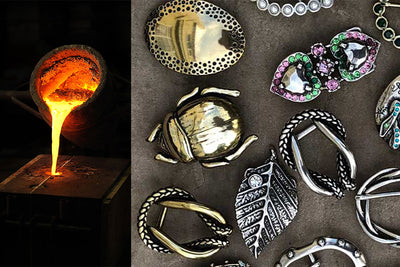
For a finely made belt, the finish works in harmony with the cut of the strap, the edge treatment and the buckle. A wide, supple suede belt needs a different visual weight from a narrow full-grain belt designed for a tailored trouser loop. The hardware matters too. Solid brass can bring warmth to vintage calf and rich brown leather, while a cool silver-plated or crystal buckle provides contrast against black nubuck or deep navy suede.
Guide to leather belt finishes: choosing by texture
Full-grain leather
Full-grain leather retains the hide’s natural upper surface, including its individual markings and grain. It is valued for its strength, depth and ability to age gracefully. Rather than wearing out quickly, quality full-grain leather tends to become more personal with use, taking on a gentle patina at the edges and around the fastening point.
Its appearance is usually refined rather than glossy. A full-grain belt is an excellent foundation for a wardrobe that relies on well-cut trousers, denim, boots and structured outerwear. In black, dark brown or tan, it offers quiet versatility. It is also a thoughtful choice for an interchangeable buckle system, as the clean surface lets the metalwork take its place without competing for attention.
The trade-off is that natural leather can show scratches and creases more readily than heavily coated leather. For many owners, this is part of its appeal. If you prefer a belt that remains uniform with minimal visible change, a more protected or smoother finish may be better suited.
Vintage calf
Vintage calf has a softened, lived-in character from the outset. Its finish often carries tonal variation and a gently worn appearance that gives a new belt an immediate sense of history. It pairs particularly well with aged-metal buckles, antique-inspired styling and relaxed pieces with substance: washed denim, waxed jackets, cashmere and heavy cotton shirting.
This leather is ideal when a belt should look collected rather than overly formal. It can bring depth to simple outfits without relying on overt embellishment. Because variation is integral to the finish, no two straps will present in precisely the same way. That individuality is a mark of the material, not an imperfection.
Choose vintage calf if you enjoy leather that feels expressive and relaxed. It may be less appropriate for occasions where you want an immaculate, highly polished line, such as formal business dressing or black-tie styling.
Italian nubuck
Italian nubuck is created by carefully buffing the grain side of the hide to produce an exceptionally fine, velvet-like surface. It has more structure than suede but shares its understated softness. The effect is luxurious and modern, with a muted richness that photographs beautifully and feels particularly elegant in black, tobacco, stone, navy and jewel-toned shades.
A nubuck belt can soften the formality of a sharp outfit without making it casual. It works beautifully with wool trousers, silk dresses, fluid tailoring and fine knitwear. Its restrained surface also gives crystal or polished metal buckles a considered setting, allowing the hardware to become the focal point.
Nubuck requires a little more awareness than smooth leather. Moisture, oils and surface dust can alter its appearance, so it benefits from gentle brushing and protection from heavy rain. It is best reserved for days when its texture can be appreciated rather than subjected to demanding outdoor wear.
Suede
Suede is made from the underside of the hide and has a deeper, more relaxed nap than nubuck. It is supple, tactile and inherently versatile, moving easily between casual and smart dressing. A narrow suede belt can bring softness to summer linen or a tailored skirt, while a wider suede style gives definition to knit dresses, coats and high-waisted trousers.
The charm of suede lies in its low sheen. It absorbs light rather than reflecting it, creating a rich block of colour and a less formal finish than polished leather. For this reason, it is especially useful when you want a belt to feel intentional but not severe.
Like nubuck, suede is sensitive to water and staining. Brushing the nap in one direction after wear helps maintain an even finish. It is not the most practical choice for muddy country walks or wet-weather travel, but it is a sophisticated companion for city dressing, dinners and dry weekend occasions.
Hair-on cowhide
Hair-on cowhide is one of the most distinctive leather finishes, retaining the natural hair for a textural, almost sculptural effect. It can be spotted, tonal, printed or presented in a single colour, and it makes a belt the defining accessory rather than a supporting detail.
This finish works particularly well with pared-back clothes. Set against black tailoring, a simple white shirt, denim or a monochrome knit, a hair-on belt introduces dimension without adding unnecessary volume. It can also lend a confident equestrian influence to a wardrobe, especially when paired with substantial solid brass hardware.
Hair-on leather is not intended to look identical across every strap. Natural direction, density and pattern will vary, adding to its individual appeal. Avoid excessive friction and prolonged pressure, which can flatten or disturb the hair. Store the belt loosely rather than tightly coiled.
Matching finish to the occasion
For everyday use, full-grain leather and vintage calf offer the most forgiving balance of character and durability. They suit regular rotation and gain distinction through wear. If your wardrobe centres on tailoring, a smooth full-grain finish in black, espresso or navy is usually the most adaptable choice.
For a softer, more fashion-led look, nubuck and suede offer a refined alternative. They are especially effective for belts worn over dresses, knitwear or outerwear, where texture is visible and the strap is not simply passing through belt loops. A wide nubuck belt with a sculptural buckle can create a composed waistline; a slim suede strap can provide just enough contrast against fluid fabric.
Hair-on cowhide is the choice for occasions that call for personality. It does not need much assistance. Keep the rest of the outfit clean, and allow the belt’s texture and buckle to do the work.
Consider the buckle alongside the leather
A detachable buckle gives a leather finish more than one life. The same strap can feel classic with a polished silver-plated buckle, equestrian with solid brass, or evening-ready with crystal detail. This flexibility is especially valuable when investing in premium leather: rather than buying a new belt for every setting, you can change the focal point while retaining a strap that has been selected for its fit and finish.
There is no fixed rule that brass belongs only with brown leather or silver only with black. Warm brass against black nubuck can feel striking, while silver on tan vintage calf has a crisp contemporary quality. The best combination depends on the tones you wear most often and whether you want the belt to blend in or make a statement.
Care that respects the finish
Leather benefits from measured care, not constant treatment. Keep smooth full-grain and vintage calf leather away from direct heat, wipe away surface dust with a soft dry cloth, and use a suitable leather conditioner sparingly when the material begins to feel dry. Over-conditioning can darken leather or leave residue near stitching and edges.
For nubuck and suede, use a soft specialist brush to lift dust and restore the nap. Treat marks promptly but gently, and avoid applying standard leather creams, which can create dark patches. Hair-on cowhide should be brushed lightly in the natural direction of the hair and protected from persistent rubbing.
Whatever the finish, store a belt flat or loosely rolled in a dry, shaded place. Rotating your belts gives the leather time to rest and helps preserve both the strap and its fastening holes.
A beautifully made belt becomes more individual with each wear. Choose the finish that suits your habits as much as your aesthetic, then let its material character become part of the wardrobe you return to season after season.
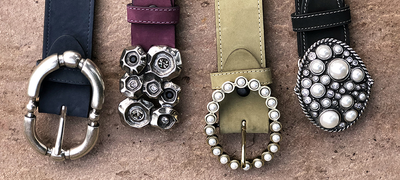
Which calf or nubeck leather belt in navy 40mm with age silver knot buckle be suitable for my sons suit.
Leave a comment