A Guide to Styling Textured Belts Well
Texture gives a belt its point of view. A smooth leather belt can quietly complete an outfit, but suede, Italian nubuck and hair-on cowhide bring depth, tactility and a more individual finish. This guide to styling textured belts considers how to wear these distinctive materials with the confidence they deserve, from understated weekday tailoring to polished weekend dressing.
A textured belt should not feel like an afterthought. It can establish the tone of an outfit, soften precise tailoring, add interest to simple knitwear or give familiar denim a more considered character. The key is balance: let the material be noticed without asking it to compete with every other element you are wearing.
Begin with the texture, not the buckle
When choosing a textured belt, consider its surface before its colour. Suede has a soft, matte appearance that sits naturally with brushed wool, cashmere, corduroy and relaxed denim. Italian nubuck has a finer, more polished nap, making it especially well suited to tailoring and refined separates. Hair-on cowhide is bolder by nature, with a tactile finish that works best when the rest of the outfit is clean and restrained.
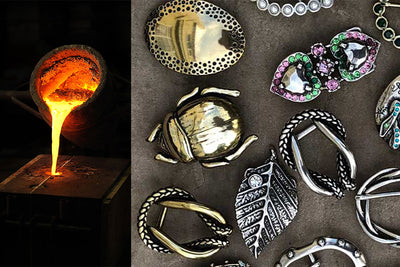
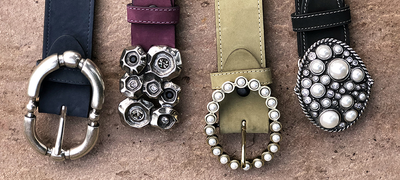
The buckle then determines how formal or expressive the belt becomes. A simple solid brass or silver-plated buckle keeps the focus on the leather. An aged-metal finish introduces an equestrian note, while a crystal buckle can make a narrow textured strap feel appropriate for evening. Interchangeable buckles are particularly useful here: the same leather strap can take on a different character for a country weekend, a city dinner or a formal event.
Styling textured belts with tailoring
Textured leather and tailoring are an excellent pairing, provided the proportions are deliberate. A narrow nubuck belt in chocolate, black or deep navy brings warmth to high-waisted trousers without interrupting the line of a jacket. Choose a buckle with a low profile, particularly when the belt will sit beneath a blazer. The aim is definition at the waist, not unnecessary hardware.
For women, a suede belt can also give a tailored midi skirt or wide-leg trouser a softer finish than polished calf leather. Match the belt broadly to the depth of your shoes rather than seeking an identical shade. Rich brown suede with dark burgundy loafers, for instance, feels more collected than overly coordinated.
For men, a full-grain or nubuck belt brings a more relaxed elegance to flannel trousers and an unstructured jacket. Avoid pairing a heavily textured strap with highly glossy footwear, as the contrast can look accidental. Suede Chelsea boots, matte leather derbies or well-made loafers create a more coherent finish.
Keep formal outfits clean
The more formal the occasion, the finer the texture should be. A close-cut nubuck or beautifully finished suede reads as polished; a more pronounced hair-on finish is generally better reserved for smart-casual dressing. Likewise, an ornate buckle may be the right choice for evening, but it can distract from formal suiting in daylight.
This is not a strict rule. A crystal buckle worn with a simple black dress and a narrow black suede strap can look precise and modern. What matters is that it is the only overtly decorative element in the look.
Add depth to denim and knitwear
Textured belts are at their most effortless with denim, especially when the outfit has otherwise simple lines. A vintage calf or suede belt gives jeans, a fine-gauge knit and a tailored coat a finished quality without making the ensemble feel overworked. Choose a medium-width strap for straight-leg or bootcut denim, or a slightly wider style when wearing relaxed jeans with a tucked-in shirt.
Hair-on cowhide works particularly well with blue or ecru denim because both materials have visual character. Keep the palette grounded: cream knitwear, black cashmere, tobacco suede, indigo denim and aged brass are all natural companions. If the cowhide has a distinctive pattern, avoid adding busy prints elsewhere. Texture is already doing the work.
A drop-waist belt offers another way to style knitwear and dresses. Positioned lower on the hip, it creates a more relaxed silhouette than a conventional waist belt and can give a column dress or long cardigan shape without looking overly cinched. This style suits fluid fabrics particularly well, though it needs enough length to sit comfortably rather than ride upwards.
Use colour to make texture feel intentional
Texture catches light differently from smooth leather, so its colour can appear richer and more varied. A tan suede belt may look golden in sunlight and more muted indoors; charcoal nubuck can read almost blue against grey wool. These small shifts are part of the appeal, but they are worth considering when assembling an outfit.
Neutrals are the easiest starting point. Tobacco, chocolate, black, stone and deep navy textured belts have the versatility of wardrobe foundations while still providing more interest than plain leather. For a bolder choice, use a coloured nubuck or suede strap as the anchor for an otherwise tonal look. A forest-green belt with olive tailoring, for example, has greater sophistication than a bright accent added to an unrelated palette.
Do not feel obliged to match belt, bag and shoes precisely. Luxury dressing often looks more assured when materials relate rather than duplicate one another. A soft brown suede belt with a dark leather bag and cognac footwear has depth because each piece occupies a slightly different register.
Choose the right width for the silhouette
Width changes the role a belt plays. Narrow textured belts are subtle and adaptable, ideal for belt loops, tailored trousers and dresses where you want to define the waist gently. They also allow a distinctive buckle to take precedence.
A wide belt is more architectural. It can shape a flowing dress, sharpen an oversized shirt or bring purpose to a long coat worn open. In a tactile suede or nubuck, a wide belt feels luxurious rather than severe, though it works best when the garment beneath has enough fabric to support it. Fine jersey and very lightweight silk can bunch under a substantial belt, while wool crepe, cotton poplin and soft tailoring hold the line more elegantly.
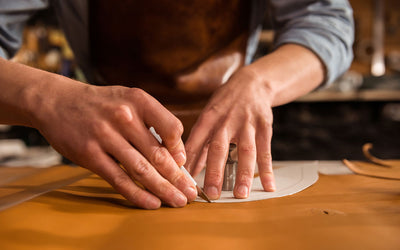
With a wide strap, keep jewellery considered. One sculptural ring or a pair of fine earrings is often enough. A textured belt is a focal accessory, especially when it is handmade in England with a carefully finished buckle.
Let hardware set the occasion
Buckle metal should complement the mood of your wardrobe rather than follow a rigid matching rule. Solid brass brings warmth to camel, brown, cream, olive and denim. Silver plating looks crisp against black, navy, grey and cool-toned neutrals. Aged-metal finishes lend themselves to equestrian-inspired pieces, including riding boots, tailored jackets and textured wool coats.
Crystal has a different role. Rather than reserving it for overtly formalwear, use it to elevate minimal pieces: black trousers, a silk blouse, a simple knit dress or dark denim with a sharp jacket. A crystal buckle paired with an understated textured strap feels more modern than a fully embellished outfit.
The advantage of a modular belt is that the decision is not permanent. Clara Perri's interchangeable buckle system allows a favourite Italian leather strap to move from a quiet brass buckle in the day to a more decorative finish after dark. It is a practical approach to luxury: fewer pieces, chosen with greater range and personal relevance.
Care for the surface that makes the difference
Textured belts reward proper care. Store them away from direct sunlight and avoid hanging a suede or hair-on strap where it may become stretched or misshapen. A light brush suited to suede can lift the nap after wear, while nubuck should be protected from heavy rain and treated carefully if marked. Always allow leather to dry naturally, away from radiators or artificial heat.
Most importantly, wear the belt. Texture develops character through use, and fine leather is at its best when it becomes part of a well-loved wardrobe. Choose a finish that feels true to how you dress, then let it bring quiet distinction to the clothes you already return to.
Leave a comment