

How to Wear Waist Belts With Lasting Style
A waist belt can alter the whole character of an outfit with one deliberate line. It can give a fluid dress definition, lend soft knitwear a sharper finish, or bring proportion to relaxed tailoring. Knowing how to wear waist belts is less about following a fixed rule than understanding where the eye should settle, and choosing leather and hardware with enough presence to belong there.
For a considered wardrobe, a belt should feel integral rather than added at the last moment. The right combination of width, texture and buckle makes even simple pieces appear more resolved.
How to wear waist belts for your proportions
A waist belt sits at the narrowest part of the torso, usually just above the natural waistline. This placement creates definition and can lengthen the appearance of the leg, particularly when worn with high-waisted trousers, a full skirt or a dress with a raised seam.
There is no need to place every belt at precisely the same point. A shorter torso may prefer a belt set fractionally lower, so the silhouette does not feel compressed. If you have a longer body or are wearing a voluminous dress, positioning the belt at the natural waist can bring welcome structure. The mirror matters more than a measurement: move the belt by a few centimetres and notice where the shape becomes balanced.
Width changes the effect. A slim leather belt is refined and unobtrusive, ideal when the fabric, cut or print should remain the focus. A wider belt makes a more architectural statement, particularly over a coat, a shirt dress or substantial knitwear. Between the two, a medium-width style is often the most adaptable choice for everyday dressing.
The buckle should be in proportion too. Delicate hardware suits a narrow strap and lighter fabrics. A solid brass or aged-metal buckle can hold its own against denim, wool, full skirts and equestrian-inspired boots. If the buckle is crystal-set or highly decorative, keep the rest of the jewellery restrained so the finish feels intentional rather than competing.
Wear a waist belt with dresses
Dresses offer the most natural setting for a waist belt because they provide an uninterrupted canvas. On a flowing midi dress, a belt can introduce shape without losing movement. Choose supple Italian nubuck, suede or a finely finished leather that bends comfortably with the fabric rather than standing away from it.
For a printed dress, pick out one understated shade from the pattern or choose a deep neutral such as black, chocolate, navy or cognac. Matching exactly can look overly coordinated; a related tone often feels more modern. With a plain linen, silk or crepe dress, a contrasting strap and distinctive buckle provide the focal point.
Shirt dresses benefit from a little looseness. Instead of pulling the belt tight, fasten it comfortably at the waist and allow a small amount of fabric to blouse above it. This creates softness through the bodice and avoids a rigid, uniform effect. A classic full-grain leather belt with polished metal hardware is particularly effective for work, lunches and city breaks.
For occasion dressing, consider the weight of the dress before selecting the belt. A broad, substantial leather strap can overwhelm light chiffon or fine satin, while a narrow belt may disappear over a structured wool crepe dress. A crystal buckle can bring evening interest to an otherwise minimal black dress, but it works best when the belt itself is beautifully made and quietly finished.
With maxi and tiered dresses
A belt can prevent a maxi or tiered dress from appearing shapeless, but placement is key. Wear it at the waist, not across the widest point of the hip, unless you are deliberately creating a relaxed drop-waist silhouette. Let the skirt retain its volume below the belt, and select a buckle that lies flat so it does not interrupt the drape.
Styling waist belts with tailoring and trousers
Tailoring calls for a belt with clarity. Through tailored trousers, choose a strap that fills the belt loops neatly without forcing them. The leather should be smooth enough for a polished finish, while the buckle can introduce personality: silver plating for a cooler, contemporary look; solid brass for warmth and heritage character.
A waist belt worn over a blazer is a different proposition. This is not about utility but silhouette. It creates an hourglass line from a relaxed jacket and can make a trouser suit feel more individual for dinner or an event. A medium or wide belt works best over single-breasted tailoring, particularly in wool, linen or brushed cotton. Fasten it firmly enough to define the waist, but not so tightly that the jacket pulls at the lapels.
With high-waisted trousers, a belt is most effective when it provides contrast in texture or tone. Black trousers with a vintage calf leather belt in tobacco, for example, feel considered without becoming formal. For a monochrome look, use a belt in the same colour family but change the finish: matte nubuck against crisp tailoring, or hair-on cowhide against smooth wool.
Men can use a waist belt to sharpen trousers worn with an open-collar shirt, fine-gauge knit or unstructured jacket. The proportions should remain clean: select a strap suited to the trouser loops, and let the buckle complement watch hardware or shoe details rather than matching them too literally.
How to wear waist belts over knitwear and outerwear
A belt over knitwear is an elegant answer to oversized layers, though the leather needs enough body to sit smoothly over the fabric. Fine merino and cashmere suit slim to medium straps, while chunky wool knits can carry a wider belt and more substantial buckle. Avoid cinching thick knitwear too firmly, as this can create unwanted bulk. A gentle definition at the waist is usually more flattering.
Over a cardigan, fasten the belt at the natural waist and leave the knit otherwise simple. This gives a familiar piece a more finished, almost tailored quality. Choose a belt colour that either echoes the knit or creates a purposeful contrast. A rich oxblood leather against camel, cream or charcoal is especially effective through autumn and winter.
Coats require confidence and proportion. A wide belt over a wool coat can create a sculptural silhouette, while a supple leather belt over a trench adds polish without replacing its original tie. If the coat is already detailed with large buttons, checks or a strong collar, choose restrained hardware. On a clean, minimal coat, an equestrian buckle or textured strap can become the defining detail.
Choose leather and hardware with purpose
The material of a waist belt changes how formal, relaxed or distinctive it feels. Full-grain leather develops character with wear and brings depth to tailoring and denim. Italian nubuck has a soft, velvety surface that suits dresses and knitwear particularly well. Suede offers an understated, tactile contrast, while hair-on cowhide has greater visual presence and is best allowed to lead the outfit.
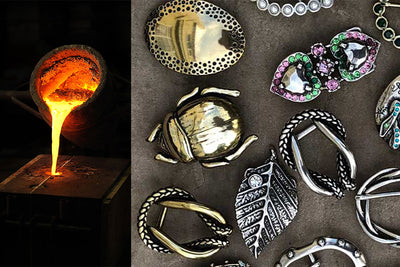
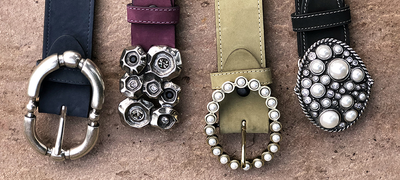
Buckle choice is equally expressive. A simple polished buckle is versatile and timeless. A sculptural aged-metal finish feels more relaxed and artisanal. Crystal hardware gives a belt an evening-facing quality, especially against matte black, deep navy or rich jewel tones. With an interchangeable buckle system, one well-chosen leather strap can move easily between these moods, making it a more considered investment than several disposable belts.
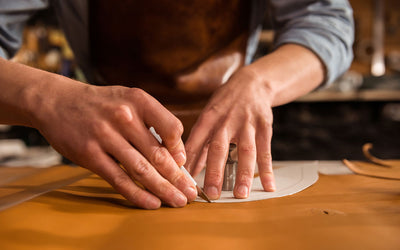
Clara Perri belts are handmade in England with this flexibility in mind, pairing carefully selected leathers with detachable buckles so the final piece can reflect the wearer as much as the wardrobe.
A few finishing details that make the difference
The belt should sit flat, with enough length beyond the buckle to look natural but not excessive. If there is a long tail, secure it neatly through the keeper rather than allowing it to disrupt the line of the outfit. Check that the buckle is centred before leaving the house, particularly over a dress or blazer where asymmetry is immediately visible.
Consider the other leathers you are wearing, but do not feel obliged to match every element. A black belt and brown boots can look sophisticated when the outfit includes another connecting neutral, such as charcoal trousers, a cream knit or a dark brown bag. Harmony is more refined than perfect coordination.
Most of all, choose a waist belt that earns its place. Fine leather, a well-balanced buckle and a silhouette that suits the garment will make the smallest styling gesture feel personal, polished and lasting.
Leave a comment