

What Belt Width Suits Dresses? A Refined Guide
A belt can alter the architecture of a dress in moments: defining a waist, lengthening the torso, relaxing a formal line or giving a simple silhouette a more considered finish. When deciding what belt width suits dresses, the most flattering answer is rarely a fixed measurement. It lies in the relationship between the dress’s fabric, cut, scale and intended occasion.
A narrow belt may bring precision to a fluid silk dress, while a wider leather belt can give structure to soft knitwear or a generous shirt dress. The right choice should feel integral to the look, rather than an afterthought placed over it.
What belt width suits dresses?
As a useful starting point, fine belts around 1 to 2 cm wide are best for delicate fabrics, fitted dresses and subtle waist definition. Medium widths of approximately 2.5 to 4 cm are the most versatile choice for everyday dresses, offering enough presence to shape the silhouette without dominating it. Wide belts, usually 5 cm and above, suit dresses with more fabric, stronger construction or a deliberate statement waist.
These proportions are guides, not rules. A petite frame can wear a wider belt beautifully when the dress is clean-lined and the belt sits at the natural waist. Equally, a tall figure may prefer a slim strap on a column dress where a broad belt would interrupt an otherwise elegant vertical line. Consider the total composition, not only the width on its own.
Fine belts for fluid and fitted dresses
A fine leather belt is often the most discreet way to introduce shape. It works particularly well with slip dresses, fine jersey, silk shirt dresses and fitted sheath styles. On these lighter silhouettes, a heavy belt can pull visually and physically, creating an abrupt divide where the dress is intended to fall softly.
Choose a supple, refined leather such as Italian nubuck or smooth full-grain leather, with a compact buckle that does not compete with the dress. A slim belt in black, deep brown or navy gives polish to workwear, while a tonal shade can gently define the waist without disrupting a printed or softly coloured dress.
Fine widths also suit dresses with existing detail at the waist, such as darts, gathers or a delicate seam. Here, the belt should trace the line already created by the garment rather than attempt to redraw it.
Medium widths for everyday versatility
For most wardrobes, a medium-width belt is the most useful place to begin. It has enough substance to complement cotton poplin, denim, linen, wool crepe and mid-weight viscose, yet remains elegant with dresses worn from daytime meetings to dinner.
A 3 cm leather belt gives a shirt dress greater purpose, especially when worn with sleeves rolled and a collar left open. It also works well over a tailored midi dress, where the belt can pick up the polish of shoes or a handbag without looking overly matched. This is a particularly assured choice for travelling, when one belt needs to work across several dresses and occasions.
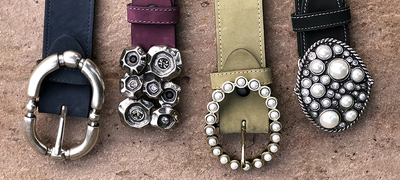
Buckle scale matters as much as strap width. A medium strap paired with a finely shaped solid brass or silver-plated buckle creates a balanced, enduring look. Larger hardware can make the same belt feel more contemporary or equestrian-inspired, particularly against a plain, structured dress.
Wide belts for shape and statement
Wide belts are at their best when they have room to be seen. Think relaxed shirt dresses, shirt-dress coats, substantial knit dresses, cotton midi dresses with volume, and simple jersey maxis that benefit from a more defined waist. A broad belt gathers generous fabric and gives it intention.
The trade-off is that a wide belt makes a clear visual break. This can be highly flattering when placed at the narrowest point of the torso, but less successful when worn too low on a dress that is already full through the hips. If a drop-waist dress feels shapeless, a wide belt may not be the answer; a narrower style worn closer to the natural waist often restores proportion more gracefully.
Texture is especially effective at this width. Suede brings softness to knitwear and matte wool, while vintage calf or hair-on cowhide adds depth to uncomplicated dresses. For evening, a clean wide leather strap with a crystal buckle can provide a focal point that feels considered rather than decorative for its own sake.
Match belt width to the dress silhouette
The dress should lead the decision. A belt is there to refine its line, not impose a silhouette that conflicts with it.
Shirt dresses and tailored dresses
A medium belt generally gives the best result on shirt dresses. It echoes the practical, polished character of the garment and works with both crisp poplin and relaxed linen. For a more classic interpretation, choose smooth leather and restrained hardware. For a contemporary finish, use a wider strap with an aged-metal buckle, provided the dress has enough structure to support it.
Tailored dresses often call for a narrower or medium belt. The cleaner the cut, the more carefully the proportion should be controlled. A substantial belt can obscure beautiful seam work or make a fitted bodice appear shorter. Let the belt sit neatly at the waist and choose hardware with a refined profile.
Knit dresses and jersey dresses
Knitwear can carry more weight, making medium and wide belts especially effective. A 3 to 5 cm strap in supple leather gives a ribbed midi dress shape without looking severe. Avoid pulling the belt too tightly: it should define, not compress. A slightly relaxed fastening preserves the softness that makes knitwear appealing.
Jersey dresses depend on their drape. A fine belt suits a close-fitting jersey column, while a wider belt can transform a relaxed midi or maxi. If the fabric is very lightweight, select a belt with a smooth underside and moderate buckle weight so it sits cleanly rather than dragging the fabric down.
Maxi, midi and occasion dresses
Long dresses can accommodate a range of widths, but the hemline alone should not dictate the choice. A narrow belt on a fluid maxi keeps the length elegant and uninterrupted. A wider belt can work on a fuller cotton or printed maxi, especially when it creates a visible waist above a voluminous skirt.
For occasion dresses, restraint is often more luxurious than scale. A fine strap with a distinctive buckle can be enough to define a satin, crepe or silk silhouette. If the dress is minimal and architectural, a wider belt may become the central accessory - a confident choice, but one that should be deliberate.
Consider your proportions, not arbitrary rules
Belt advice is often reduced to body shape, yet torso length and dress construction are more useful considerations. If you have a shorter torso, a broad belt can occupy too much of the space between bust and hip. A fine or medium-width belt, positioned precisely at the waist, usually creates more length.
If you have a longer torso, a medium or wide belt can establish a stronger focal point and bring balance to a long, unbroken dress. This does not mean slim belts are off limits. A narrow strap in a contrasting colour may provide just the right definition, particularly with a high-necked dress.
The best test is visual and practical. Move, sit and look at the dress from the side as well as the front. The belt should remain comfortable, stay in position and preserve the quality of the dress’s line.
Colour, leather and buckle finish change the effect
Width is only one part of the decision. A belt that closely matches the dress colour appears narrower and more discreet, even when the strap is substantial. Contrast makes any width more visible. A black belt over ivory, for example, creates a graphic waistline, while tobacco leather over warm camel reads as quieter and more tonal.
Material changes the visual weight too. Matte suede tends to soften a wider belt, while glossy or highly polished leather gives it greater presence. Similarly, an ornate buckle can make a fine belt feel like jewellery, whereas a simple buckle allows a wide strap to remain elegant and architectural.
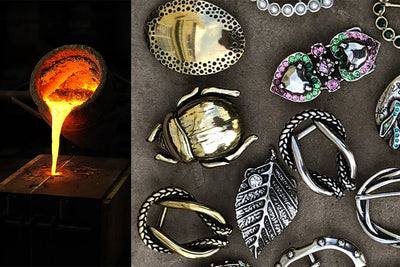
Clara Perri’s interchangeable buckle system is particularly useful here. The same handmade leather strap can be adapted with different hardware, allowing a classic daytime dress to take on a more distinctive evening character without changing the belt’s carefully chosen width.
Before choosing a belt, put it on with the shoes you are most likely to wear. A sleek boot, a refined trainer and a heeled sandal each alter the visual balance of the outfit. The right belt does not merely sit at the waist; it brings the dress, footwear and accessories into a proportion that feels entirely your own.

Leave a comment