

Why Modular Fashion Belongs in a Lasting Wardrobe
A well-made accessory should not be limited to one look. Modular fashion offers a more considered alternative: pieces designed to change with the occasion, the season and the wearer’s own sense of style. Rather than continually replacing accessories, it allows a beautifully made foundation to be refreshed through carefully chosen interchangeable elements.
For the modern wardrobe, this is not simply a question of convenience. It is a way to invest in material quality, keep favourite pieces in regular rotation and create distinction without excess. A fine leather belt with detachable buckles, for example, can move from understated weekday tailoring to evening dressing with a change of hardware.
What modular fashion means in practice
At its most refined, modular fashion is built around components that are designed to work together without compromising finish, proportion or quality. The principle is familiar in luxury accessories: a strap, clasp or buckle becomes part of a considered system, rather than a fixed detail that determines the entire life of an item.
The best examples are designed from the beginning with longevity in mind. A leather belt strap should retain its shape and character over time; the fastening should feel secure and balanced; and each buckle should sit naturally against the leather. Interchangeability is only valuable when it preserves the integrity of the original design.
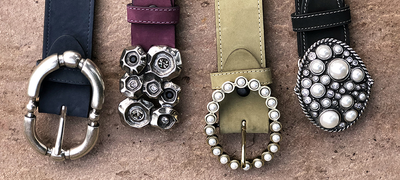
A modular belt is a particularly elegant expression of the idea. One Italian nubuck strap might take on a polished, minimal character with a silver-plated buckle, then feel more relaxed with aged metal, or more decorative with crystal hardware. The core piece remains recognisable, while its mood changes completely.
Why modular fashion suits a considered wardrobe
A considered wardrobe is not necessarily small, but every piece within it earns its place. It should work hard, wear beautifully and offer more than one answer to the question of what to wear. Modular accessories bring this flexibility without asking a wardrobe to become overly uniform.
Belts are often treated as a finishing touch, yet they can define an outfit’s line. A slim full-grain leather belt can bring precision to trousers and tailoring. The same leather, fitted with a more substantial buckle, can give a simple knit dress or denim a stronger focal point. For travel, this adaptability is especially useful: fewer accessories can create a greater range of finished looks.
There is also a quieter benefit. When the leather strap and buckle can be selected separately, personal style becomes more precise. Someone drawn to equestrian-inspired dressing may favour solid brass and rich vintage calf. Another may prefer soft suede with a sculptural contemporary buckle. Neither approach needs to be dictated by a single pre-designed combination.
The craftsmanship behind a modular belt
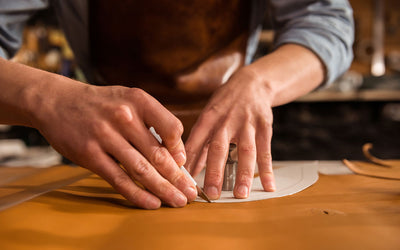
Modularity should never be mistaken for disposable construction. In fact, a successful interchangeable belt system places greater demands on craftsmanship. The leather must be cut accurately, the edges finished cleanly and the buckle connection made to withstand regular changing without weakening or distorting the strap.
Material choice matters just as much. Italian nubuck offers a velvety surface and depth of colour, while full-grain leather has a more structured character that develops a distinctive patina. Vintage calf can bring a naturally softened appearance, and suede introduces a more relaxed texture. Each has its own role, and the right choice depends on how the belt will be worn.
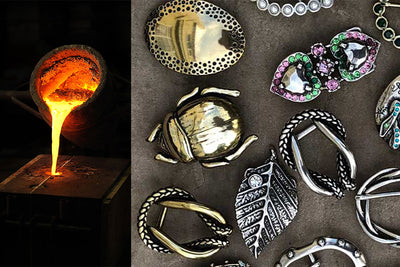
Hardware deserves equal attention. Solid brass has warmth and reassuring substance, silver plating gives a cooler, more polished finish, and aged metal can lend an easy, lived-in character. Crystal buckles are more expressive, but their impact relies on proportion: the buckle should enhance the silhouette rather than overwhelm it.
Handmade in England, a modular belt can be judged not only by its appearance on the first wear but by how confidently it performs over years of styling. This is where skilled artisan work becomes visible in the details - the evenness of the stitching, the consistency of the edge paint, the balance of the buckle and the way the leather settles naturally at the waist.
How to build a modular fashion wardrobe
Begin with the piece you will wear most often, not the most decorative option. For many wardrobes, that is a classic strap in black, dark brown, tan or a deep neutral that works with shoes, handbags and outerwear already in regular use. A medium-width belt offers the broadest versatility, particularly with jeans, trousers, skirts and dresses.
Then consider buckle finishes as you would jewellery. If most of your watch, rings or handbag hardware is gold-toned, solid brass or a warm aged-metal finish will create an intentional connection. Silver-plated hardware works beautifully with cooler palettes, monochrome tailoring and contemporary silhouettes. Choosing one versatile buckle first is often wiser than acquiring several straps that have no clear styling purpose.
Once the foundation is established, add contrast where it will be noticed. A hair-on cowhide strap can give plain wool trousers or a black dress texture. A wide belt may transform a softly tailored blazer or define a fuller skirt. A drop-waist style introduces a different proportion altogether, especially for relaxed dresses and longer knits.
The aim is not to create endless combinations for their own sake. It is to build a small collection of components that genuinely serve different moments: polished workwear, weekend denim, occasion dressing and more relaxed holiday outfits.
Modular fashion and the value of fewer, better pieces
The language of sustainability is often used too broadly in fashion. An interchangeable design is not automatically responsible simply because it offers choice. Its real value depends on durability, repairability, material quality and whether it encourages the owner to wear an item for longer.
A finely made belt with replaceable or changeable elements can reduce the need to buy a wholly new accessory whenever tastes, seasons or dress codes shift. It also makes a more personal relationship with the piece possible. A well-loved leather strap may gain character through wear, while new hardware provides a fresh interpretation without discarding what is already excellent.
There are trade-offs. A modular system asks for a little more care in selection, and not every buckle suits every strap width or leather weight. A highly embellished buckle may be less versatile than a classic design, while pale nubuck requires more attention than darker full-grain leather. These are not drawbacks so much as the natural considerations of owning luxury materials.
Styling interchangeable belts with intention
For daytime, let the belt support the outfit rather than compete with it. Pair a smooth leather strap and restrained buckle with high-waisted trousers, a crisp shirt and loafers. A narrow belt can sharpen a knit dress, while a wider style adds definition over a trench or relaxed blazer.
In the evening, hardware can take a more prominent role. A crystal buckle against black suede or polished leather gives a simple column dress a sense of occasion. For a dinner or gallery opening, choose one clear statement: either textural leather, distinctive metalwork or embellishment. Combining all three can feel overworked unless the rest of the outfit is deliberately pared back.
Equestrian-inspired pieces offer another enduring route. Rich brown leather, solid brass and clean proportions work naturally with denim, boots, cashmere and tailored wool. The appeal lies in restraint and material honesty, not costume.
A more personal way to invest in accessories
The strongest luxury accessories do not demand attention at every turn. They reveal their quality through use: the feel of the leather, the weight of the buckle, the confidence of a piece that works as well now as it will in several years’ time.
Clara Perri’s interchangeable belt approach reflects this balance of heritage workmanship and individual expression. Selecting a strap and buckle separately invites a more personal decision, whether the result is quietly classic, contemporary or distinctly decorative.
Choose the component that will give your existing wardrobe a new line, a new texture or a more polished finish. When the materials are exceptional and the construction is made to last, one thoughtful change can make familiar clothes feel entirely your own.
Leave a comment