
Accessory Personalisation Trends Worth Wearing
A belt is often the smallest element in an outfit, yet it has an unusually direct effect on its character. The right leather, buckle and proportion can sharpen tailored trousers, define a silk dress or give denim a more considered finish. Accessory personalisation trends are responding to this power by moving away from obvious logos and short-lived novelty, towards pieces that reflect the wearer through material, hardware and styling choice.
For luxury customers, personalisation is no longer limited to having initials discreetly stamped onto a product. It is the freedom to choose a rich Italian Nubuck in a particular shade, pair it with polished Solid Brass or an aged-metal buckle, and adapt that combination as the wardrobe changes. It is personal, but never overly prescribed.
Accessory personalisation trends favour considered choice
The strongest shift is from permanent customisation to thoughtful versatility. A monogram has its place, particularly on a gift, but it fixes an accessory to one expression. Interchangeable elements offer a more enduring kind of individuality. A beautifully made leather strap can be worn with a classic buckle for work, then restyled with crystal, equestrian or sculptural hardware for evening.
This approach suits the way polished wardrobes are now built. Rather than accumulating separate accessories for every occasion, customers are investing in fewer, better components with more than one role. A black Full Grain leather belt remains a foundation piece, while the buckle introduces the occasion, mood and level of formality. The result feels less like customisation for its own sake and more like intelligent dressing.
There is a practical advantage, too. Replacing a buckle or adding a new strap is a lighter decision than replacing an entire belt. It encourages a relationship with an accessory over time, particularly when the leather has been chosen for its handle, finish and ability to age beautifully.
Hardware is becoming the signature
For many years, luxury accessories relied on recognisable branding as their visual shorthand. The current preference is more nuanced. Distinctive hardware still matters, but customers are looking for shape, weight, finish and craftsmanship rather than a conspicuous name.
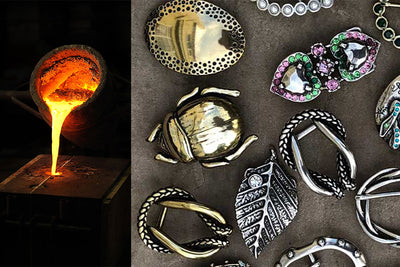
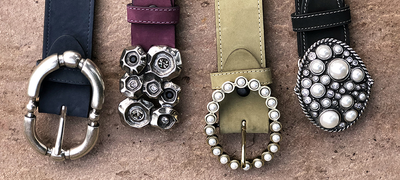
A buckle in Solid Brass brings warmth and substance to cognac, chocolate and tan leathers. Silver plating offers a cooler, cleaner contrast against black, navy or pale grey. Aged-metal finishes can give vintage calf and suede a relaxed, collected quality, while crystal details add light without requiring an overtly embellished belt.
This is where personalisation becomes highly individual. The same belt strap can read classically English with a polished oval buckle, contemporary with angular hardware, or equestrian-inspired with a finely detailed snaffle design. None is more correct than the other. The choice depends on the wearer’s wardrobe, the scale of the outfit and how often the belt will be worn.
Proportion is particularly worth considering. A narrow belt with a refined buckle works naturally through belt loops and with tailored separates. A wide leather belt becomes more architectural over knitwear, dresses or outerwear, where its buckle needs enough presence to balance the silhouette. Personalisation is most successful when it considers the whole look, not simply the detail in isolation.
Material is personal, not merely decorative
Colour remains an immediate way to make an accessory feel individual, but texture creates the deeper distinction. The growing interest in tactile materials reflects a desire for accessories that feel as good as they look. Italian Nubuck has a soft, velvety surface and a rich depth of colour. Suede brings a more relaxed finish, particularly effective for weekend dressing and softer tailoring. Full Grain leather offers clarity, resilience and a finish that develops character through wear.
Hair-on cowhide is another compelling option, particularly when a wardrobe already contains understated staples. It creates contrast through texture rather than bright colour, making it surprisingly versatile when kept to a clean silhouette. Vintage calf, meanwhile, appeals to those who want a belt that does not look newly manufactured at every wear. Its depth and natural variation can make a simple outfit feel less uniform.
The trade-off is that different leathers ask different things of their owner. Nubuck and suede require more care around water and colour transfer than smooth leather. Hair-on finishes make a stronger visual statement, so they may not be the first choice for a single everyday belt. A considered collection usually benefits from both: one polished Full Grain or smooth leather style for frequent wear, and one textural strap for personality.
Personalisation is moving beyond gendered rules
Luxury accessories are still often organised into women’s and men’s collections because fit, width and styling preferences can differ. Yet the most interesting personalisation is increasingly led by proportion and taste rather than strict gender categories.
A slim silver-plated buckle may suit anyone who favours restrained tailoring. A wide leather belt can work equally well with a sharp overcoat or a fluid dress, depending on how it is placed on the body. Equestrian hardware, once treated as a niche reference, has become a natural choice for people drawn to enduring leatherwork and heritage detail.
This does not mean every design suits every wearer. Belt width, buckle scale and the line of the strap should remain deliberate. A drop-waist belt has a different purpose from one designed for traditional trouser loops, and a statement crystal buckle needs enough visual space around it. The opportunity lies in choosing without relying on a prescribed uniform.
The luxury value of a modular belt wardrobe
Personalisation can become wasteful when it encourages endless variation with no lasting purpose. A modular belt system offers a more considered alternative, provided each component is made to a high standard. The strap should be capable of repeated wear and buckle changes without losing its shape; the hardware should feel substantial and secure; the joining mechanism should be simple enough to use without compromising the finished look.
A useful starting point is to select a belt strap in the leather you will reach for most often, then add hardware according to the places your wardrobe actually takes you. A polished classic buckle may serve meetings, dinners and formal events. An aged-metal or equestrian buckle can bring character to denim, boots and weekend layers. A crystal buckle may be reserved for occasions where the belt is intended to be noticed.
This is not about building a large collection overnight. One excellent strap and two well-chosen buckles can offer more range than several fixed belts of lesser quality. Over time, additional colours or finishes can be introduced with purpose: deep burgundy for autumn tailoring, pale leather for summer linen, or textured suede for a softer seasonal look.
Bespoke detail should remain wearable
The appeal of bespoke design is understandable. It gives customers a meaningful role in the finished piece and makes the purchase feel connected to a particular wardrobe rather than a passing campaign. However, the most successful bespoke accessories still leave room for repeat wear.
When designing a belt, begin with the garments it must work with. Consider the height of trouser loops, the waist placement of dresses, the metal tones already present in watches and jewellery, and whether the belt will be seen beneath a jacket or take centre stage over knitwear. These questions often lead to a more satisfying choice than selecting the boldest option first.
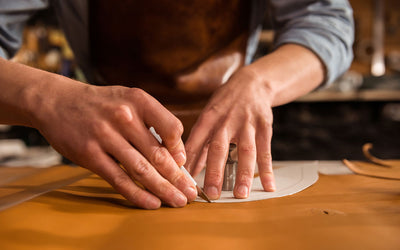
Clara Perri’s handmade English approach recognises that a belt can be both practical and expressive. Italian leather, carefully chosen buckle finishes and interchangeable construction allow the wearer to create combinations with genuine longevity, rather than a one-season version of individuality.
The best personal accessories do not announce every decision at once. They reveal discernment in the softness of the leather, the weight of the buckle and the confidence of a piece chosen to be worn again and again.
Leave a comment