

The Artisan Belt Making Process, Explained
A well-made belt begins long before the buckle is chosen. It begins with the hand selecting leather for its surface, temper and character, then judging how that particular hide will wear over years of use. The artisan belt making process is a sequence of considered decisions: proportion, cut, edge treatment, hardware and finish must work together to create an accessory that feels as exceptional as it looks.
For Clara Perri, handmade in England is not a decorative phrase. It describes the care given to every strap, from Italian Nubuck selected for its velvety richness to Full Grain leather valued for its natural strength and evolving patina. The result is a belt made to become part of a wardrobe, rather than a passing addition to it.
The Artisan Belt Making Process Begins With Leather
Leather is not a uniform material, even when it comes from the same tannery. Each hide has its own grain, density and visual movement. A skilled maker reads these variations before a pattern is placed on the leather, reserving the most beautiful areas for the visible face of the belt and avoiding sections that may not perform as well over time.
Italian Nubuck offers a soft, brushed finish with remarkable depth of colour. It suits relaxed tailoring, denim and refined everyday dressing, but asks for thoughtful care to preserve its surface. Full Grain leather is firmer and more naturally marked, with an honest character that develops as it is worn. Vintage calf can lend a rich, lived-in quality from the first wear, while suede and hair-on cowhide bring texture to a more expressive look.
The choice is not simply aesthetic. A narrow belt intended for a polished trouser suit requires a different weight and flexibility from a wide belt designed to define a knit dress or coat. The leather must have enough body to hold its line, yet enough suppleness to sit comfortably at the waist or hip.
Cutting for line, proportion and strength
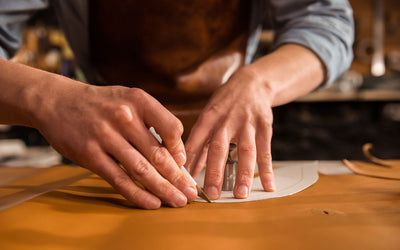
Once selected, the leather is cut to the required width with absolute consistency. A fraction of a millimetre matters: it affects how a strap passes through a buckle, how it sits in belt loops and how balanced the finished piece appears against the body.
The silhouette is then shaped. This may include tapering towards the buckle, rounding the tip or creating a clean, contemporary end. A drop-waist belt, an equestrian-inspired style and a classic trouser belt each demand their own proportion. The best design is often quiet in its precision. It should complement an outfit without fighting for attention, unless the intention is a crystal buckle or statement-width strap that deserves to take centre stage.
Building the Strap by Hand
A luxury belt should feel finished from every angle. Depending on the design, the strap may be left as a single, beautifully substantial layer of leather or constructed with a lining for a more tailored, refined hand. Layered construction requires careful bonding and alignment so the edges remain even along the full length.
The edges are then worked gradually. They are trimmed, smoothed and, where appropriate, coloured to create a clean line that protects the leather and elevates the final appearance. This stage cannot be hurried. A poorly finished edge is often where an otherwise attractive belt reveals its limitations, particularly after regular wear.
Hand-finishing also involves preparing the holes and tip with care. Holes must be cleanly formed and evenly spaced, both for appearance and for practical adjustment. The placement needs to allow the belt to sit naturally at the intended point on the body. A belt worn at the natural waist will need different consideration from one styled low over a dress or through jeans.
Stitching is used where it enhances both construction and design. Fine stitching can frame a leather strap with a subtle tailored definition, while an unstitched edge allows exceptional leather to speak more directly. Neither approach is automatically superior. It depends on the leather, the buckle and the intended occasion.
Hardware that earns its place
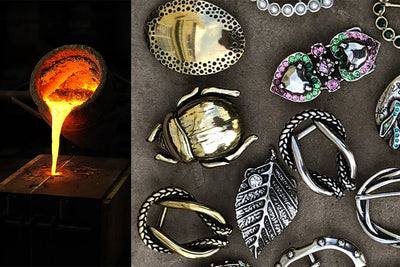
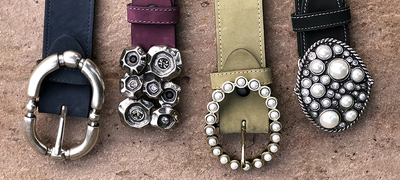
The buckle is not an afterthought. It determines much of a belt's personality and must also perform reliably. Solid Brass offers warmth, weight and a finish that gains character over time. Silver plating brings a cooler, more formal note, while aged-metal finishes can give a belt a softer, heritage-inflected presence.
Before fitting, the maker checks that the buckle and strap are properly matched. The width of the leather, the scale of the frame and the strength of the fastening all need to feel proportionate. A substantial buckle can overwhelm a delicate strap; equally, a very fine buckle may disappear against a wide Full Grain belt.
Crystal embellishment requires another level of precision. Each detail must sit securely and evenly, providing light-catching distinction without compromising the integrity of the hardware. When balanced well, a crystal buckle can transform a simple black or deep navy strap into an evening-ready accessory, while remaining versatile enough for elegant daywear.
Why Interchangeable Buckles Change the Experience
A detachable buckle system introduces a useful kind of luxury: choice without excess. Instead of buying an entirely new belt for every setting, the wearer can pair a favourite leather strap with different buckles to shift the mood of an outfit.
A polished silver-toned buckle may suit weekday tailoring and formal occasions. Swap it for Solid Brass and the same strap takes on a warmer, more relaxed character for weekend dressing. A distinctive crystal or sculptural buckle can then bring the belt into focus for dinner, events or a considered holiday wardrobe.
This modular approach does require careful construction. The closure between strap and buckle must be secure, easy to use and discreet enough to preserve the clean line of the belt. It also requires accurate sizing, since a beautifully chosen strap should sit comfortably across the range of looks for which it is intended.
For those with a clear point of view, designing a belt from strap to buckle creates something more personal than an off-the-shelf accessory. Colour, leather texture, width and hardware can be selected for the clothes already in the wardrobe, whether that means a cognac Vintage Calf belt for equestrian-inspired boots or a sleek black Nubuck style for a sharply cut blazer.
The Final Inspection Is Part of the Craft
Before a handmade belt is ready to wear, it is assessed as a complete object. The artisan looks for an even finish, clean edges, accurate stitching and secure hardware. The strap is checked for consistency in colour and surface, while the buckle mechanism is tested to ensure it fastens smoothly and holds its position.
This final inspection is especially significant with natural materials. Leather should retain its individuality, but no compromise should be made on workmanship. Small variations in grain are part of the beauty of genuine leather; uneven construction is not.
A handcrafted belt will also change gently with use. Full Grain leather may darken and soften, brass may acquire a mellow patina, and the strap will gradually take the shape of its wearer. These are not flaws to correct. They are the signs of an accessory made from honest materials and chosen to be worn often.
Caring for a Belt Made to Last
Storage and occasional care protect the finish that took so much time to achieve. Keep leather belts away from prolonged direct sunlight and excess heat, which can dry the material or alter its colour. Where possible, hang the belt loosely or store it flat rather than tightly rolled for long periods.
Use products suited to the leather in question. Full Grain leather may benefit from a light, appropriate conditioner, while Nubuck and suede require specialist care and should not be treated like smooth leather. If a belt becomes wet, allow it to dry naturally at room temperature. Heat can stiffen leather and affect its shape.
Above all, choose a belt with the intention of wearing it. The finest artisan belt making process ends not at the workbench, but in the small, considered rituals of dressing: fastening a familiar buckle, feeling the quality of the leather, and making an outfit distinctly your own.
Leave a comment