
Buckle Shape Guide for a Considered Wardrobe
A belt buckle does far more than fasten leather. It creates a focal point at the waist, alters the perceived proportion of an outfit and sets its level of formality. This buckle shape guide is designed to help you choose hardware with the same care you give to Italian Nubuck, Full Grain leather or a precisely cut jacket.
The right shape is rarely about following a rule. It is about balance: the width of the strap, the lines of the clothes beneath it, the occasion and the character you want a belt to bring. A slim oval buckle can soften crisp tailoring, while a substantial rectangular frame gives denim and knitwear a more defined finish. With an interchangeable belt, that choice can change as often as the outfit does.
Buckle Shape Guide: Begin With Proportion
The first consideration is scale. A buckle should look intentional against the belt strap, rather than crowded by it or stranded in the middle of it. Narrow straps generally suit refined, lighter-profile hardware. Wider belts have the visual weight to carry bold frames, sculptural shapes and decorative finishes.
Consider your own proportions, too. A petite frame may prefer a compact buckle that defines the waist without interrupting the line of an outfit. Taller wearers, or those styling a wide belt over a coat or dress, can often wear a broader buckle with ease. Neither choice is restrictive. The effect simply changes: smaller hardware recedes; larger hardware becomes part of the look.
Clothing provides the second measure. A neat buckle that sits close to the body works beautifully beneath a blazer or with high-waisted trousers. A more pronounced shape has room to speak over a cashmere dress, relaxed denim or a substantial knit. When the belt is the principal accessory, let the buckle have sufficient presence to justify its position.
Rectangular Frame Buckles for Everyday Definition
A rectangular frame is one of the most versatile buckle shapes. Its clean geometry complements the straight seams of tailoring, trousers and jeans, giving the waist a crisp, composed finish. In polished silver plating or solid brass, it is an assured choice for a wardrobe built around well-cut essentials.
The proportions within the rectangle matter. A slim, elongated frame feels understated and contemporary, especially on a narrow leather strap. A deeper, heavier frame has a more heritage-led character and suits Vintage Calf, full-grain leather and wider casual belts. Corners also influence the mood: sharply defined edges read modern, while softened corners feel more relaxed.
For workwear, choose a modest rectangular buckle with a smooth finish and minimal detailing. It will sit comfortably with a trouser suit, loafers and a silk shirt without competing for attention. At the weekend, the same shape in aged metal or solid brass brings structure to denim, corduroy and knitwear.
Oval Buckles Bring Softness and Polish
An oval buckle is naturally elegant because it has no hard edges. The shape can soften the clean lines of a shirt dress, bring a feminine note to a tailored waistcoat, or balance the texture of suede and Nubuck. It is particularly effective when you prefer your accessories to look considered rather than overtly formal.
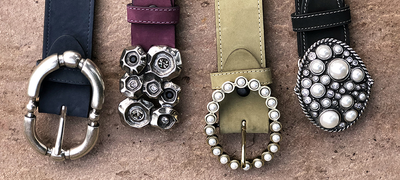
A small oval in silver-toned metal has a quiet, jewellery-like quality. It pairs well with fine straps and can be worn through belt loops or at the waist of a dress. A larger oval makes a stronger statement, especially in an aged finish that highlights the warmth and irregular beauty of natural leather.
Oval hardware is also a thoughtful option for those whose wardrobes mix classic and contemporary pieces. It is less strict than a rectangle but more polished than an overtly rustic buckle. Choose it when an outfit needs definition without a severe line at the centre.
D-Ring and Equestrian-Inspired Shapes
D-ring buckles and equestrian-inspired forms have a distinct sense of movement. Their curved profile references traditional tack hardware, making them especially natural with rich brown leather, suede, hair-on cowhide and country-inspired textures. Yet they need not be reserved for rural dressing. In a refined metal finish, a D-ring can bring an unexpected softness to city tailoring.
This shape is most successful when the rest of the outfit has a little ease. Think wide-leg trousers, an unstructured blazer, a soft wool coat or relaxed denim. The curve prevents the belt from feeling overly rigid, while the metalwork gives the look purpose.
There is a practical consideration: a D-ring may have more depth than a flat frame buckle. If you regularly wear belts beneath fitted jackets, choose a low-profile design or reserve this shape for outer layers, dresses and knitwear. A beautiful buckle should be comfortable in the way you actually dress.
Statement Buckles and Decorative Detail
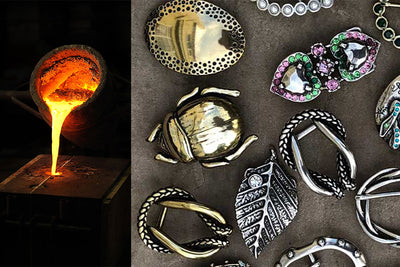
Statement hardware earns its place when the buckle is intended to be seen. Crystal embellishment, sculpted metal, intricate engraving or a substantial plate can transform a simple black dress, a plain white shirt or a monochrome trouser look. The belt becomes a piece of jewellery with the substance and permanence of leather craftsmanship behind it.
The key is restraint elsewhere. A crystal buckle can be worn during the day, but it looks most assured against clean fabrics and uncomplicated silhouettes. Let the light catch the hardware rather than adding competing jewellery, heavy prints and multiple focal points. For evening, pair a more decorative buckle with a sleek dress or a tuxedo-inspired suit for a finish that feels personal rather than predictable.
A large buckle can also work with casual pieces, provided the materials relate. Aged metal with Vintage Calf feels grounded against denim. Highly polished silver or crystal is usually better with smoother leathers and cleaner fabrics. The contrast between hardware and strap should look deliberate, not accidental.
Match the Buckle Finish to the Leather
Shape is only half of the decision. The buckle finish determines whether the belt reads as sleek, heritage-inspired, dramatic or relaxed. Silver plating has a cool clarity that works especially well with black, navy, grey, white and jewel-toned leather. It can sharpen an outfit built around tailoring and modern silhouettes.
Solid brass brings warmth. It is an excellent companion for tan, chocolate, burgundy, olive and natural leather shades, particularly in Full Grain or Vintage Calf. Brass develops character through wear, which suits a belt chosen to become a long-term wardrobe companion rather than a seasonal purchase.
Aged-metal finishes sit between these worlds. Their softened surface makes them versatile with suede, textured leathers and relaxed clothing, while still retaining a luxurious weight. Crystal and highly polished finishes call for a more precise pairing: smooth leather, a clean strap edge and a silhouette that gives the buckle its moment.
Choose by Occasion, Not Just Outfit
A useful buckle collection does not need to be extensive, but it should answer to the occasions you dress for. A discreet rectangular or oval frame covers professional settings, dinners and everyday polish. An equestrian-inspired D-ring adds character for travel, weekends and layered autumn dressing. A decorative or crystal design provides an elevated option for events where accessories carry more of the visual story.
Interchangeable buckles make this approach particularly considered. Instead of buying several complete belts in similar colours, you can retain a favourite leather strap and change its mood through the hardware. A black Full Grain strap with a silver frame may feel precise and metropolitan; the same strap with a crystal buckle becomes evening-ready. A tan Nubuck strap can move from relaxed to refined with a change from aged metal to polished brass.
Do check compatibility before pairing components. The buckle bar and strap width must be designed to work together, and a wider buckle is not always suited to a narrow strap. This is not a limitation so much as a mark of good construction: properly proportioned components sit securely and look balanced from every angle.
Let Your Belt Have a Point of View
The most successful choice is the one that reflects how you want to wear the belt. If your wardrobe is calm and tailored, a precise frame or subtle oval will give you years of use. If texture, denim and heritage details are central to your style, curved or aged hardware will feel more at home. If you dress simply and value a memorable finish, choose a buckle with enough detail to make an entrance.
Clara Perri belts are Handmade in England to make that choice personal: begin with leather you will enjoy wearing, then select hardware that gives it the right voice. A buckle need not match every outfit. It only needs to make each outfit it joins feel more distinctly yours.

Leave a comment