

Modular Wardrobe Examples for Lasting Style
A considered wardrobe is not defined by how many pieces it contains, but by how confidently each one works with the next. The most useful modular wardrobe examples begin with finely made foundations, then use accessories to change the mood, proportion and purpose of an outfit. A beautifully cut trouser, a silk shirt and a handmade leather belt can move from weekday meetings to dinner with a simple change of buckle or shoe.
For those who prefer fewer, better possessions, modular dressing offers a practical form of luxury. It allows quality to remain at the centre while giving each piece more than one role to play.
What makes a wardrobe modular?
A modular wardrobe is built around a small group of complementary garments and accessories that can be combined in multiple ways. The aim is not uniformity. It is a wardrobe with enough continuity in colour, silhouette and material that getting dressed feels composed rather than repetitive.
The best foundations tend to be neutral, but they need not be plain. Navy tailoring, ivory knitwear, tobacco suede, black full-grain leather and soft grey wool create a rich palette without demanding constant replacement. From there, distinctive elements such as a crystal buckle, a hair-on cowhide belt or an equestrian-inspired leather strap introduce personality.
Accessories matter because they sit at the point where an outfit takes shape. A belt defines the waist, brings a jacket and trouser together, or gives a relaxed dress more intention. An interchangeable belt system is especially suited to modular dressing: retain the leather strap you love, then change the buckle to suit the occasion.
Modular wardrobe examples for everyday dressing
1. The polished working wardrobe
Start with a navy blazer, tailored black trousers, a fine-gauge cream knit and a white poplin shirt. These are familiar pieces, but their usefulness depends on proportion and finish. Choose trousers with a clean straight or softly wide leg, and a blazer with enough structure to hold its line over knitwear as well as shirting.
For day, a narrow black or dark brown Italian nubuck belt with a restrained silver-plated or solid brass buckle gives the look a precise finish. It is an understated choice that does not compete with tailoring. For an evening engagement, keep the same clothes but exchange the buckle for an aged-metal design or a subtle crystal style. The outfit changes character without requiring another blazer, bag or pair of trousers.
This formula is particularly effective for people who move between office, client lunch and supper. The clothing stays classic; the hardware signals the shift.
2. The travel wardrobe with purpose
Travelling well is less about packing a large case and more about avoiding single-use pieces. A camel or charcoal merino knit, dark denim, a fluid trouser, a crisp shirt and a long coat can cover most city breaks and work trips when chosen in a coherent colour story.
Add one reversible-minded approach to accessories: take two leather straps in different tones, perhaps black full-grain leather and warm cognac vintage calf, alongside two buckles. A clean polished buckle suits a dinner reservation or gallery visit, while a more relaxed brushed or aged finish works with denim and knitwear. Four components can create several distinct combinations while taking up very little space.
The trade-off is that modular packing demands discipline. A bright, highly decorative belt may be wonderful, but it needs enough companion pieces to earn its place in the case. If your travel wardrobe is largely neutral, one exceptional buckle can provide the interest without limiting what else you pack.
3. The dress-led wardrobe
Dresses often appear complete on the hanger, yet a belt can entirely alter their line. A silk midi dress, a wool shirt dress and a relaxed jersey column dress become far more adaptable when the waist can be defined in different ways.
A slim suede belt worn at the natural waist brings structure to a flowing dress for daytime. A wider leather belt can create a stronger silhouette over a shirt dress or fine knit, particularly when paired with boots. For an evening look, a drop-waist placement with a decorative buckle can feel less formal than cinching at the waist, while still giving the dress a deliberate finish.
Here, scale is vital. Petite frames may prefer a narrower strap and more refined buckle, while taller or more angular silhouettes can carry a wider belt with greater visual weight. There is no universal rule: the right proportion is the one that complements the dress rather than dividing it abruptly.
4. The elevated weekend wardrobe
Weekend clothes should feel easier, not less considered. Build around excellent denim, a white T-shirt or cotton shirt, a cashmere crew neck, suede ankle boots and a well-cut overshirt or field jacket. The materials do much of the work, so avoid belts that feel flimsy or overly polished against them.
A vintage calf belt develops character with wear and sits naturally alongside denim. For a more textural look, a hair-on cowhide strap can bring depth to simple black jeans and a fine knit. An equestrian buckle lends a classic note without becoming costume-like, especially when the rest of the outfit is clean and unfussy.
This is where a modular belt system earns its place. The same buckle worn on a black strap can look metropolitan; placed on tan leather, it becomes softer and more relaxed. The change is small, but it prevents reliable weekend clothes from becoming predictable.
5. The occasion wardrobe without excess
Many wardrobes contain garments reserved for occasions that rarely arise. A more useful approach is to choose one exceptional dress, one sharply cut dark suit or tuxedo, and a small group of accessories capable of lifting them for different events.
For a formal dinner, a black leather belt with a crystal buckle can provide light-catching detail while preserving a refined line. For a winter wedding or celebration, deep burgundy, forest green or midnight-blue leather offers colour with more longevity than a trend-led print. If the occasion calls for restraint, a sculptural solid brass buckle brings presence through material rather than sparkle.
The key is to let one element carry the statement. When the buckle is ornate, keep jewellery and other hardware measured. When the clothing has texture, such as velvet or heavily woven wool, a smooth full-grain leather strap often provides the necessary contrast.
Build around materials, not passing looks
The strongest modular wardrobes are held together by material quality. Full-grain leather becomes more individual over time; Italian nubuck offers a softer, more tactile finish; suede brings quiet depth to autumn and winter dressing. These are not interchangeable in character, even when they share a colour.
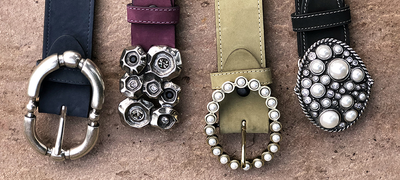
Consider how each material will be used. A black full-grain belt is an enduring choice for tailoring and regular wear. A lighter nubuck or suede style is better suited to dry-weather dressing and softer textures. Crystal and polished metal buckles have greater impact after dark, while aged finishes and equestrian forms sit naturally with knitwear, denim and boots.
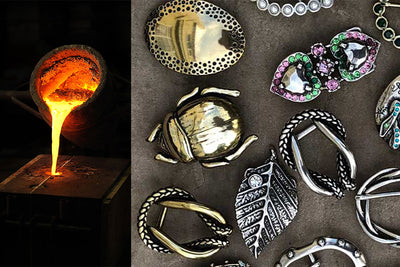
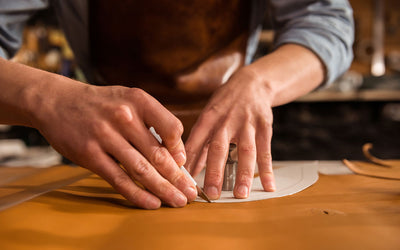
At Clara Perri, handmade English craftsmanship and detachable buckle design make this approach especially personal. Rather than buying several complete belts that serve almost the same purpose, you can select leather straps and hardware with clearly different roles in mind.
Edit the wardrobe before adding to it
Before choosing another piece, look at the clothes already worn most often. Identify the colours that recur, the trouser rises that suit you, and the occasions that genuinely fill your month. A modular wardrobe should respond to your life, not an idealised version of it.
Then ask a more useful question than whether an item is beautiful: can it create at least three looks with what you own? A belt may work with trousers, over a dress and through the loops of denim. A buckle may look equally convincing on black leather for evening and cognac leather at the weekend. If it only works once, it may still be worth owning, but it should be chosen as a deliberate luxury rather than mistaken for a foundation.
A wardrobe becomes lasting when every new detail has a reason to belong. Choose the leather that will improve with wear, the buckle that reflects your point of view, and the pieces that make familiar clothes feel newly considered.
Leave a comment