

Suede Belt Care for a Soft, Refined Finish
A beautifully cut suede belt earns its place through touch as much as colour. The surface has a soft, light-catching nap that brings depth to tailored trousers, denim and flowing dresses, yet that same finish asks for considered handling. Proper suede belt care preserves the character of the leather without flattening, darkening or over-treating it.
Unlike smooth full-grain leather, suede should not be polished or fed with conventional leather creams. Its appeal lies in its velvety surface, and care is chiefly about keeping that surface clean, dry and gently lifted. A little attention after wear is usually more valuable than an ambitious cleaning session months later.
Suede belt care begins with gentle brushing
A suede brush is the most useful tool to keep close to hand. Choose a brush made specifically for suede and nubuck, ideally with soft brass bristles or a mixed bristle surface. After wearing your belt, lay it flat and brush lightly in one direction to remove loose dust and restore the nap. There is no need to brush firmly: pressure can roughen the fibres and create an uneven patch.
If the belt has picked up a little surface dust from a day in the city, a soft dry cloth may be sufficient. For a more noticeable flattened area, brush it with short, delicate strokes, then allow the leather to rest. Suede often recovers its texture once it is no longer under tension around the waist.
Pay particular attention to the holes, keeper and folded edge near the buckle. These areas receive the most handling, and light dust can settle where the strap meets the hardware. If your belt has an interchangeable buckle, remove it before brushing when the design permits. This gives you clearer access to the strap and prevents cleaning products or moisture reaching the metal finish.
Treat marks before they settle
For a dry, superficial mark, begin with a clean suede eraser. Work over the affected spot lightly, using small movements rather than vigorous rubbing. Follow with a suede brush to blend the nap. This approach is often effective for faint scuffs and everyday marks, particularly on lighter Italian nubuck and suede finishes.
Grease, oil and liquid require more patience. Do not apply water directly, and resist the instinct to use household soap, washing-up liquid or a general stain remover. These can leave a tide mark, alter the colour or stiffen the leather. Instead, blot fresh liquid immediately with an unprinted, absorbent cloth. Never rub, as this pushes the spill deeper into the fibres.
For a fresh oily mark, a small amount of specialist suede absorbent powder may help draw out the oil. Leave it untouched for the time specified by the product, then brush away gently. If the mark remains visible, professional suede cleaning is the wiser choice. On a luxury accessory, preserving the evenness of the finish matters more than forcing a quick result at home.
How to protect suede belts from rain and colour transfer
Suede is not too delicate for regular wear, but it is less forgiving in wet weather. A brief shower need not ruin a well-made belt, provided it is allowed to dry correctly. Remove the belt when you return home, unfasten it and lay it flat in a dry, ventilated room. Keep it away from radiators, hairdryers and direct heat, all of which can shrink or harden the leather.
Once fully dry, use a suede brush to revive the nap. Avoid wearing a damp belt again before it has dried naturally. The leather may stretch slightly while wet, especially around the fastening holes, and repeated damp wear can leave the strap misshapen.
A quality suede protector can offer a useful barrier against light moisture and surface soiling, though it is not a substitute for avoiding heavy rain. Test any protector on a discreet section first, preferably the reverse near the tip, as some sprays can deepen the shade. Apply only to a clean, dry belt in a well-ventilated area, and allow it to cure fully before wearing. For a particularly pale, richly dyed or bespoke strap, consult a leather-care specialist if you are uncertain about compatibility.
Colour transfer deserves the same caution. Dark indigo denim, new black tailoring and heavily dyed fabrics can rub colour onto pale suede, while very dark suede may transfer onto light linen or silk in damp conditions. This does not mean those combinations are off limits. It simply calls for sensible judgement: avoid wearing a new dark denim waistband against a light beige or stone suede belt for its first few wears, and keep suede dry when styling it with pale clothing.
Store the strap so its shape remains true
The way a belt is stored has a quiet effect on its longevity. Never leave a suede strap tightly rolled for extended periods. A tight coil can compress the nap and set a permanent curve into the leather, particularly in a wider silhouette. Hanging a belt from a smooth, rounded hanger is ideal, provided the buckle is not pulling heavily on the strap.
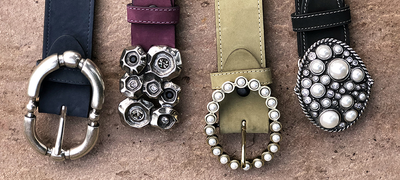
Alternatively, store it flat in a drawer or wardrobe box, with tissue paper between it and other accessories. Keep it separate from rough buckles, jewellery and textured leather that might abrade the suede. If your belt is part of a modular collection, remove a substantial solid brass or crystal buckle for long-term storage and place it alongside the strap, wrapped separately. This reduces strain at the fastening point and protects both materials from unnecessary contact.
Avoid plastic bags. Leather needs air, and trapped humidity can encourage mildew or leave a stale odour. A breathable cotton dust bag is a better choice for seasonal storage or travelling. When packing for a weekend away, lay the belt along the edge of your case in a loose curve rather than folding it sharply beneath shoes or heavier items.
Preserve the buckle as carefully as the suede
A beautiful belt is a meeting of leather and hardware. When cleaning the strap, keep metal polish, perfume, hand cream and hair products away from the suede. Apply fragrance before dressing and allow it to settle on the skin, rather than spraying near the belt line.
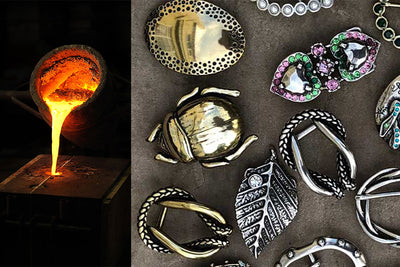
For solid brass, silver-plated or aged-metal buckles, use a soft dry cloth and follow the care appropriate to the particular finish. Do not use a suede brush over crystal settings or decorative hardware. Where a buckle is detachable, caring for each component separately is the most precise approach and makes it easier to refresh the look of the belt over time.
When professional suede cleaning is worth it
There are moments when home care should stop. A large water mark, ingrained oil, ink, dye transfer or a stain close to a contrasting edge is best assessed by a professional experienced with suede and fine leather accessories. This is especially true for belts with pale colouring, crystal detailing, unusual finishes or a shaped, hand-finished strap.
Before handing the belt over, explain the source of the mark and whether any product has already been used. That information helps the cleaner choose the least invasive treatment. It may be tempting to conceal a damaged area with dye, but recolouring can change the original depth and softness of premium suede. In many cases, careful cleaning and re-brushing will preserve a more authentic result.
A suede belt is designed to acquire a personal relationship with its wearer, not to remain untouched in a wardrobe. Brush it lightly, keep it dry, store it with care and address marks calmly. Those small rituals allow the leather's softness, colour and considered craftsmanship to remain part of every wear.
Leave a comment